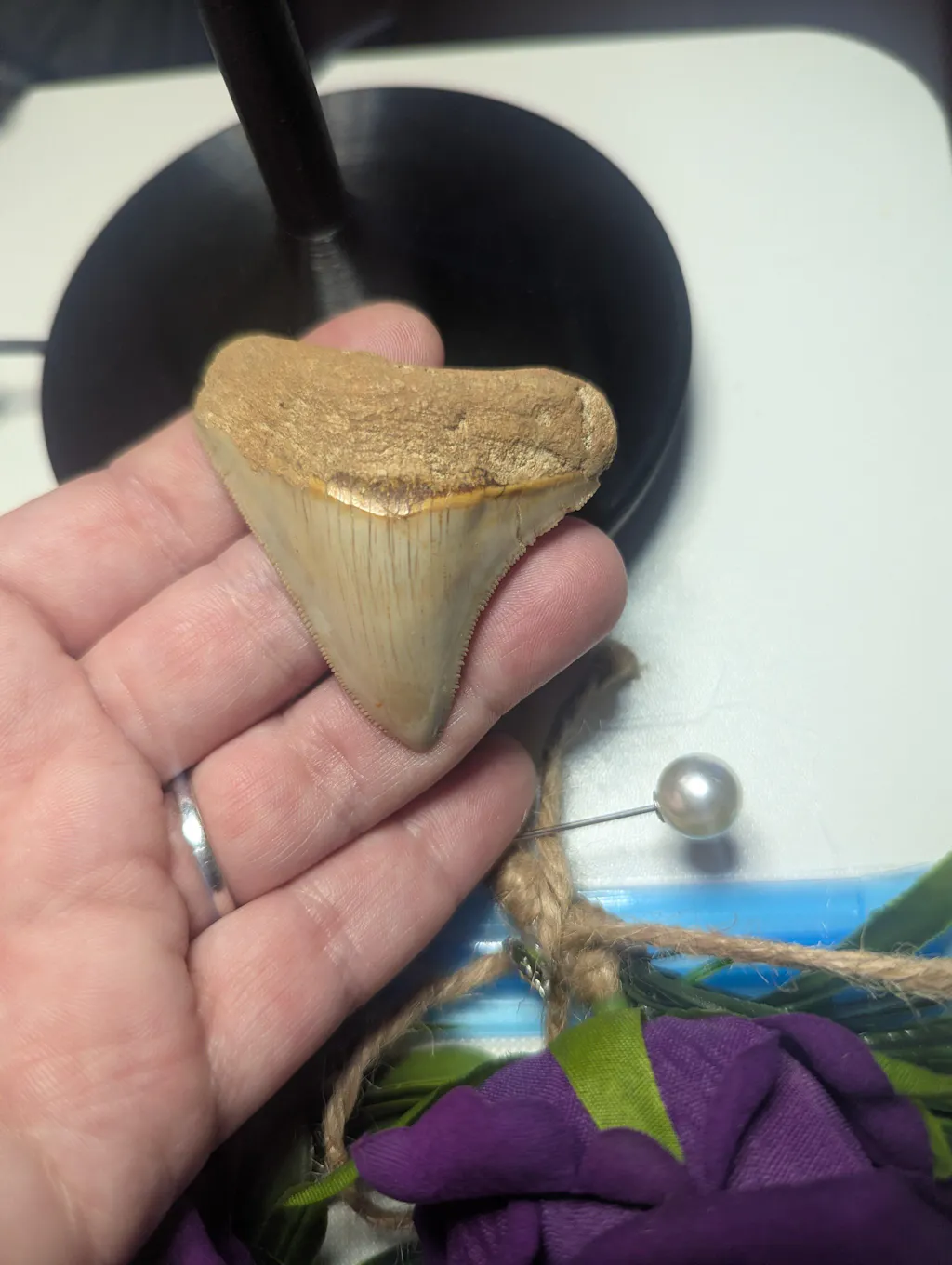

Pathological Megalodon Teeth: Rare Deformities in the Ocean’s Apex Predator
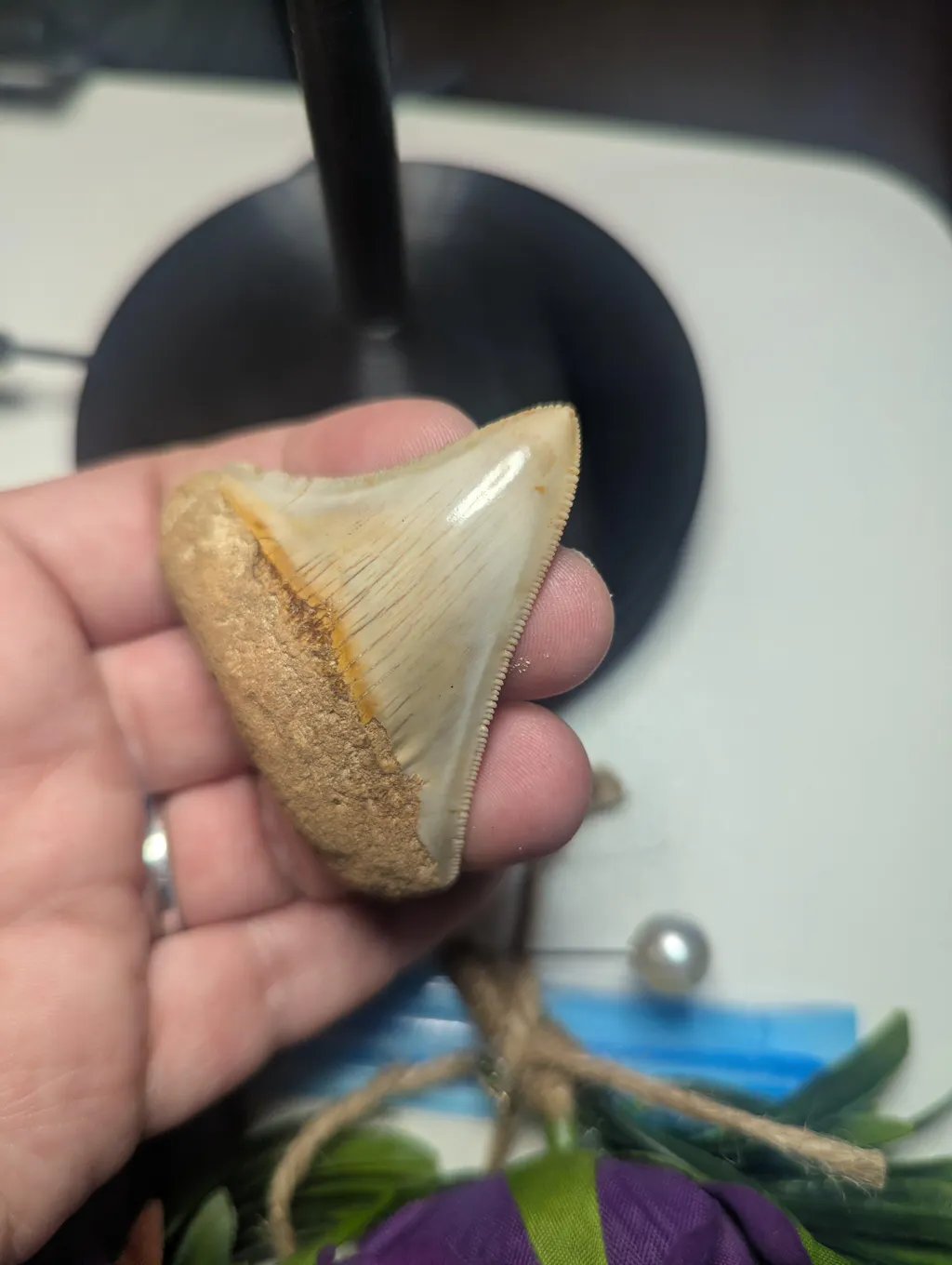
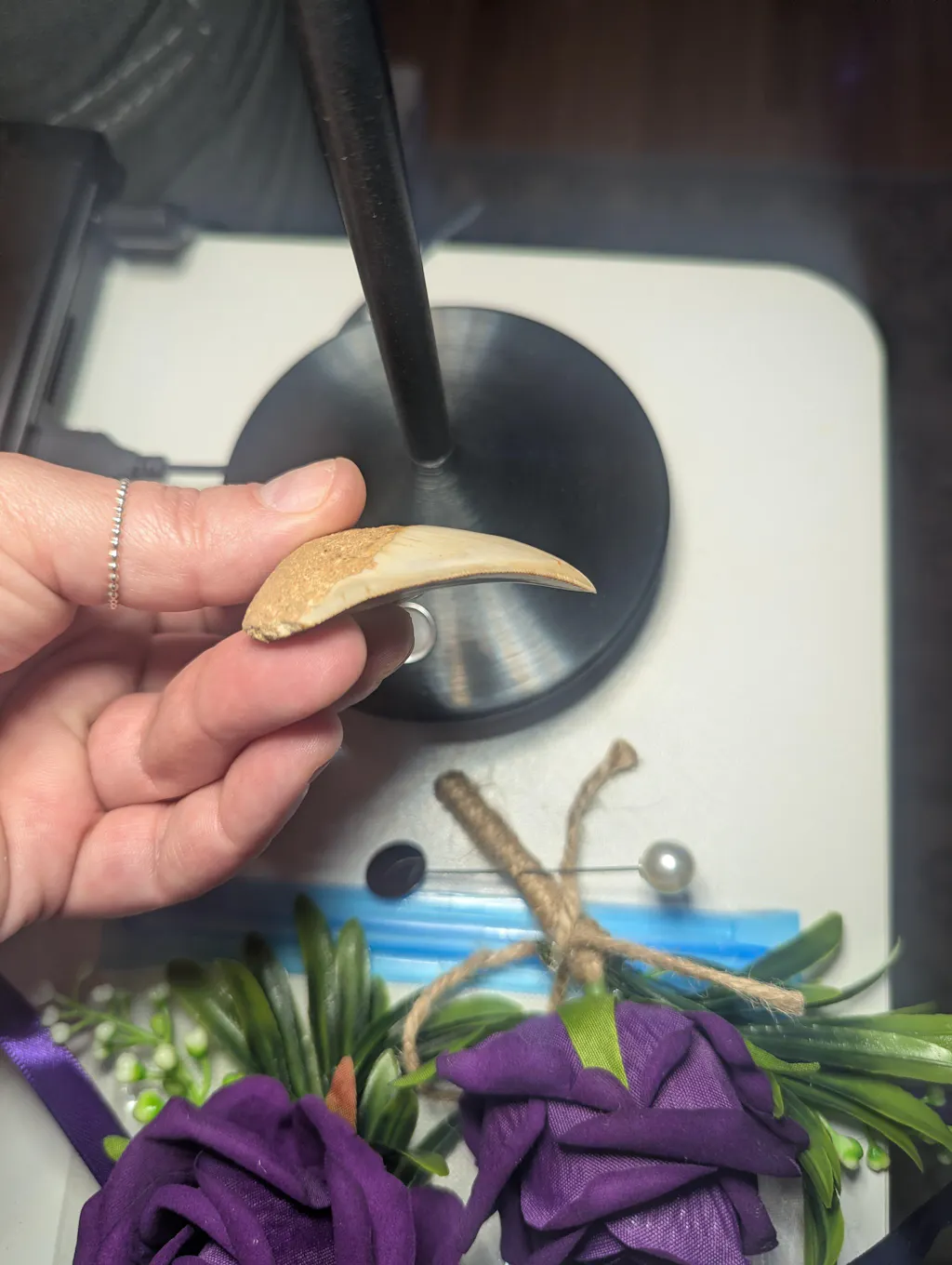
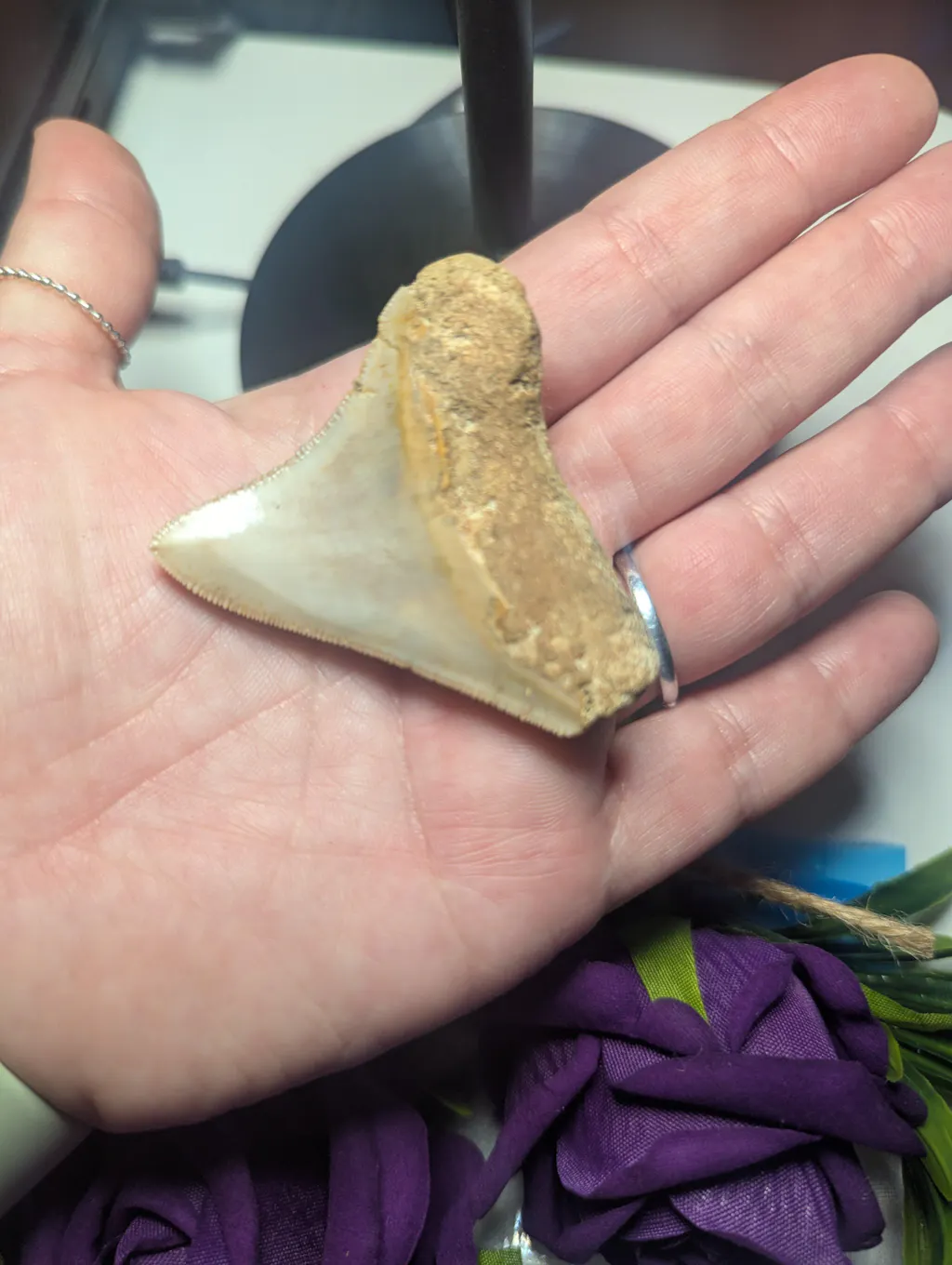
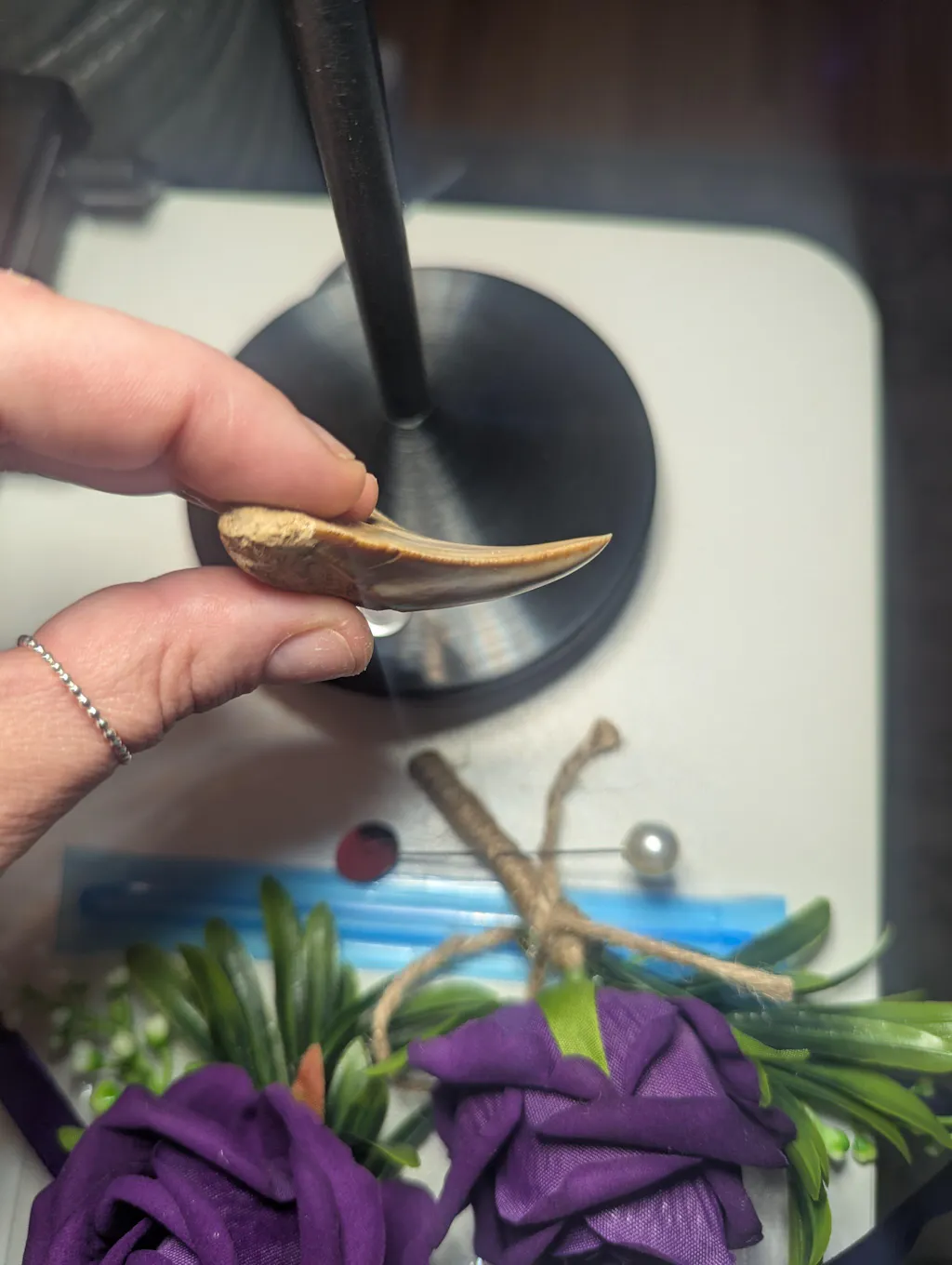
When most people picture fossil Megalodon teeth, they imagine massive, perfectly triangular blades with razor-sharp serrations. But the fossil record tells a more complex and far more fascinating story. Occasionally, collectors uncover pathological Megalodon teeth that defy symmetry: curved crowns, doubled tips, fused roots, or wrinkled enamel.
These teeth are rare biological anomalies preserved in stone, direct evidence that even the ocean’s most dominant apex predator experienced injury, stress, and developmental irregularities. For collectors, pathological Megalodon teeth represent something far beyond size or aesthetics. They are individual life stories fossilized for millions of years.
Among the most fascinating examples are pathological Megalodon teeth, which combine rarity, size, and biological history. You can explore our collection of authentic Megalodon teeth for sale to see how these unique specimens compare to standard teeth.
🧬 What Makes a Megalodon Tooth “Pathological”?
In paleontology, the term pathological refers to an abnormality that developed while an animal was alive rather than damage that occurred after death or during fossilization. Like modern sharks, Megalodon continuously replaced its teeth throughout its lifetime. Because new teeth were constantly forming within the jaw, injuries, developmental disturbances, disease, genetic abnormalities, or other biological stresses could occasionally affect the growth of a tooth before it erupted. When these abnormalities became preserved through fossilization, they created what collectors and paleontologists now recognize as pathological megalodon teeth.
Pathological shark teeth can appear in several different forms. Some specimens develop twisted or bent crowns that curve noticeably away from their normal growth pattern. Others may display fused teeth, where two developing teeth partially merge together near the root or base. More dramatic examples can feature split tips, double cusps, asymmetrical serrations, or unusual enamel folding that gives the tooth a distinctly abnormal appearance. These growth abnormalities are often impossible to predict, which is one reason pathological fossil shark teeth are so highly prized by collectors.
What makes these specimens particularly fascinating is that the abnormality occurred while the shark was still alive. Unlike chips, cracks, or wear that may develop after fossilization, true shark tooth pathology preserves evidence of a biological event that affected the animal during its lifetime. Each pathological megalodon tooth provides a rare glimpse into how an individual shark responded to injury, developmental stress, or other challenges millions of years ago. For many collectors, that connection to a specific animal's life history makes pathological teeth some of the most interesting and scientifically significant fossils that can be collected.
Why Pathologies Occur in Megalodon Teeth
Because Megalodon occupied the top of the marine food chain, it faced extreme physical stresses. Several biological factors are known to cause pathological Megalodon teeth.
1. Feeding Injuries
Megalodon preyed on large whales, seals, and marine mammals with dense bone and cartilage. When a developing tooth bud was damaged by the force of biting hard prey, the resulting tooth could grow bent, twisted, or malformed. Curved or distorted Megalodon crowns are often interpreted as signs of feeding stress, especially in large adult specimens.
This can also be seen in other prehistoric and modern-day large predatory sharks, like Carcharodon carcharias (The Great White Shark) and Galeocerdo cuvier (Tiger Shark), which sometimes show evidence of curved or distorted crowns, a likely sign of stress from powerful bites delivered to resistant prey.
2. Jaw Trauma or Infection
If a Megalodon shark’s jaw was injured in a fight or became infected, the alignment of tooth rows could be permanently altered. In some examples of fossilized shark jaws, paleontologists have found consecutive deformed teeth, proving that the damage persisted over multiple growth cycles.
These types of pathologies may appear as fused roots or irregular spacing between teeth. Essentially, the Megalodon shark kept producing replacements, but the jaw’s structure had shifted, forcing new teeth to grow abnormally.
3. Genetic Mutation
Not all pathological Megalodon teeth result from injury. Some show symmetrical but abnormal formations, such as double-cusped crowns or unusually mirrored shapes. These are believed to result from genetic mutations rather than trauma.
Similar dental anomalies are documented in modern sharks, reinforcing that Megalodon experienced the same biological irregularities, just on a much larger scale.
4. Regrowth Malformations
Because Megalodon constantly produced new teeth, occasional failures in shedding could cause overlap. A new tooth might grow alongside or over an older one, leading to partial fusion, folding, or doubled structures.
These pathologies are especially fascinating because they visually demonstrate Megalodon’s relentless tooth-replacement system in action.
🧩 Types of Pathological Shark Teeth
Pathological Megalodon teeth can take many forms. Each type tells a different biological story:
Fused Teeth
Two or more teeth grow together at the base or along the root line. This can occur when developing tooth buds merge during formation. Fused teeth often appear in species like Carcharhinus (Requiem Sharks) and Galeocerdo (Tiger Sharks), but they’re extremely rare in large apex predators like Otodus megalodon, making such specimens incredibly valuable.
Twisted or Bent Crowns
The tooth curves or spirals along its vertical axis, sometimes dramatically. In Megalodon and Otodus teeth, this suggests an injury deep in the jaw structure. The curvature direction can even hint at which side of the jaw the tooth came from.

Split Tips / Double Cusps
The tooth’s apex divides into two points, almost like a snake’s tongue. These are typically caused by an early developmental split in the enamel-secreting cells. Collectors prize them for their symmetry and rarity, as they often resemble two teeth fused into one.

Folded or Wrinkled Enamel
When a tooth’s surface looks rippled or bumpy rather than smooth, it may indicate uneven enamel deposition, possibly from fluctuating mineral content or temperature stress in the shark’s environment. These teeth often appear almost sculptural and are unlike standard Megalodon specimens.


Partial Regeneration
Layered or doubled roots are caused by overlapping tooth development. These fossils capture Megalodon’s regenerative biology frozen in time.
Each pathological Megalodon tooth tells a story of survival, injury, and adaptation at the very top of the prehistoric food chain.
🌍 Where Pathological Shark Teeth Are Found
Pathological Megalodon teeth occur wherever the shark lived, but their rarity means they’re often discovered only after thousands of normal specimens are examined. So, if there's a location that you can find fossil Megalodon teeth in, you'll be able to find pathological Megalodon teeth as well. It's just a rarer occurrence.
💎 Why Collectors Love Pathological Teeth
To many collectors, pathological megalodon teeth represent some of the most fascinating fossils available. While pristine specimens showcase what a healthy tooth looked like, pathological shark teeth provide a glimpse into the challenges an individual animal may have faced during its lifetime. These abnormalities can be caused by injury, developmental issues, disease, crowding within the jaw, or damage to the tooth-forming tissues. The result is a fossil that preserves evidence of a real biological event that occurred millions of years ago.
One reason pathological megalodon teeth are so highly sought after is their rarity. While millions of fossil shark teeth have been recovered worldwide, only a small percentage display true pathologies. Even among pathological specimens, no two examples are exactly alike. Some exhibit twisted crowns, unusual curvature, split roots, fused teeth, or asymmetrical growth patterns, making each specimen a one-of-a-kind piece of prehistoric history. For collectors who appreciate individuality and rarity, pathological fossil shark teeth often hold more appeal than standard specimens.
Many advanced collectors are drawn to pathological teeth because they tell a more personal story. Rather than representing the typical anatomy of a megalodon shark, these fossils preserve evidence of survival, adaptation, and sometimes injury. They offer a rare opportunity to study how an individual shark responded to unusual circumstances during its lifetime, adding another layer of scientific and historical significance to the specimen.
Because pathological megalodon teeth often feature unusual shapes and growth patterns, thoughtful display can help highlight the characteristics that make them special. Side lighting is particularly effective because it emphasizes curves, ridges, twists, and other subtle features that may not be obvious under direct overhead lighting. Many collectors also choose to display pathological teeth alongside a standard tooth from the same species, allowing viewers to immediately appreciate the differences created by the pathology. Rotating the specimen periodically can also reveal details that are easily overlooked from a single viewing angle.
Proper preservation is equally important. Like all fossil megalodon teeth, pathological specimens should be protected from prolonged exposure to direct sunlight, which may gradually affect coloration and enamel appearance over time. Stable display stands or padded storage cases, can help support irregularly shaped teeth and reduce unnecessary stress on delicate areas. For specimens with fused sections, unusually thin enamel, or fragile growth abnormalities, archival-quality supports can provide additional protection while still allowing the fossil to be safely displayed.
A pathological megalodon tooth is more than an unusual fossil. It is a rare record of an individual shark's life, preserved for millions of years. Much like a rare minting error on a coin or a unique variation in a gemstone, these imperfections are often exactly what make the specimen so remarkable.
Wrapping Up
Pathological Megalodon teeth capture the drama of prehistory as few fossils can. They’re not just remnants of ancient apex predators; they’re records of adversity. Each one tells of a Megalodon shark that endured injury, mutation, or misfortune, only to have its imperfection immortalized in stone.
For collectors, these Megalodon fossils remind us that even in nature, flaws make perfection more interesting. Whether it’s a twisted Megalodon blade or a fused Hemipristis root, every pathological Megalodon shark tooth carries a personal story, one that connects us directly to the ancient ocean’s most resilient survivors.
Written by: Brandon Zulli, owner of fossildriven.com
Related Reading
Want to learn more about fossil shark teeth? Check out these other posts: