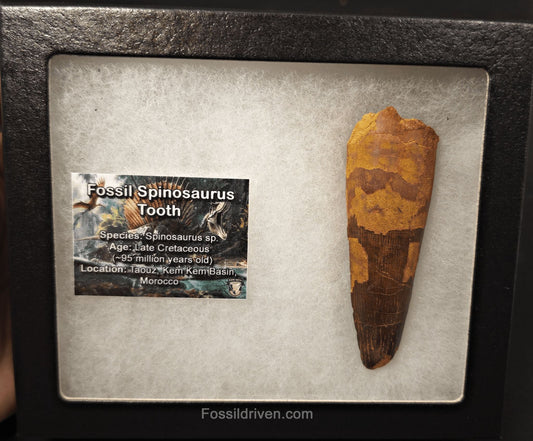
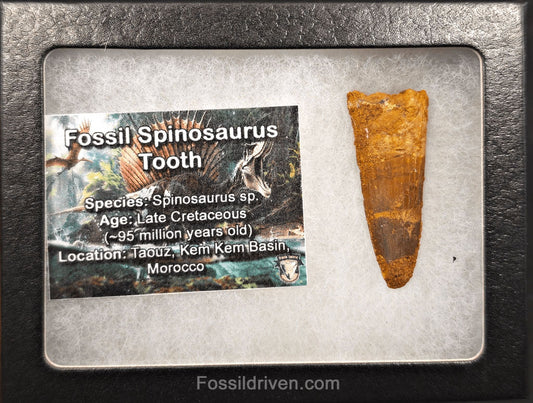
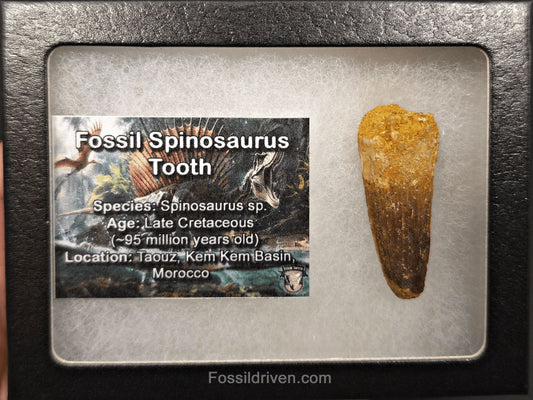
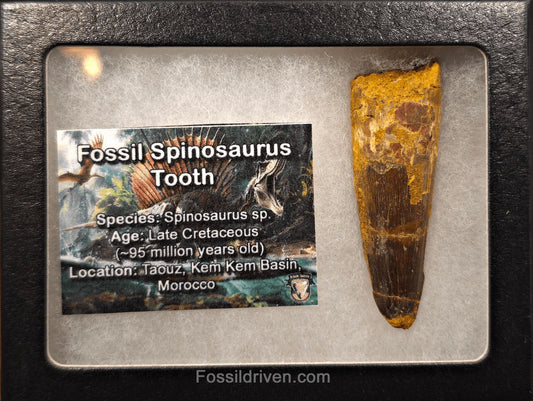
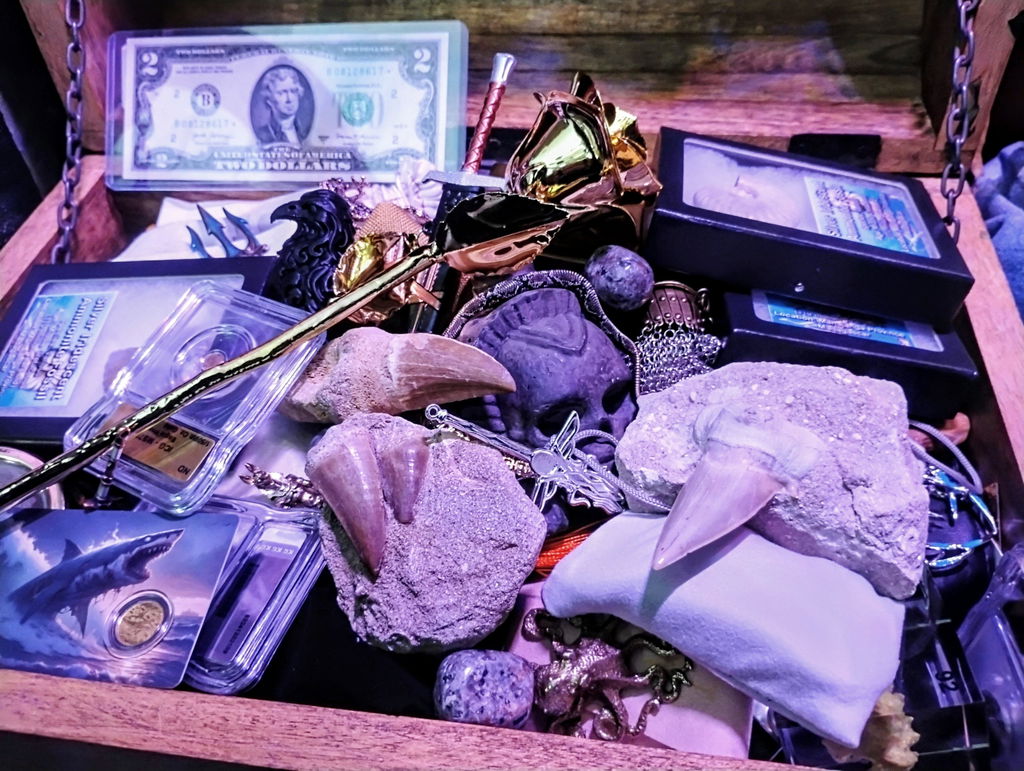
Shopping for Authentic Dinosaur Teeth
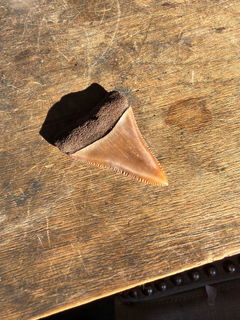
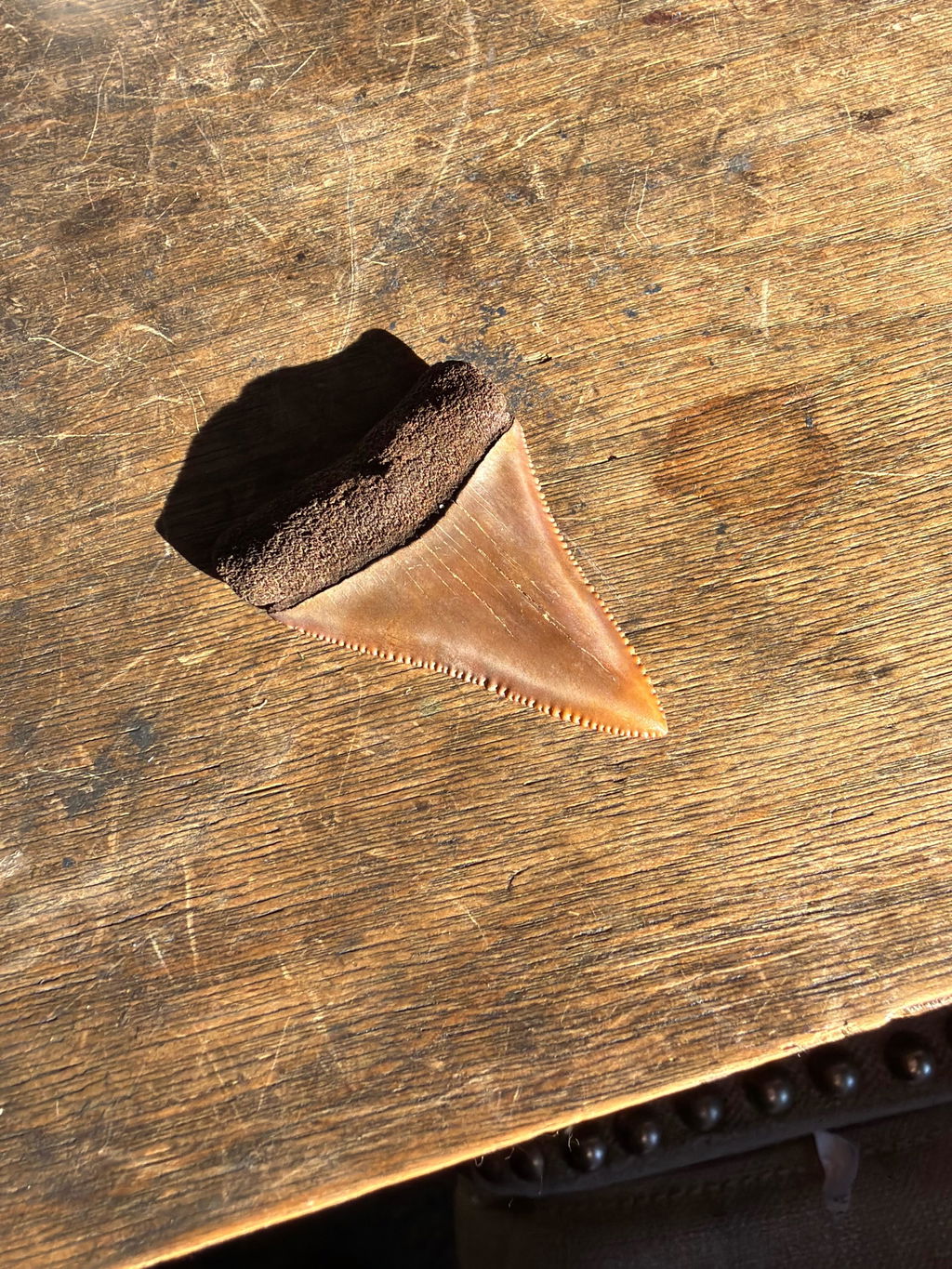
Like sharks, carnivorous dinosaurs replaced their teeth throughout their lives, which is why shed teeth are one of the most accessible ways to own a genuine piece of a dinosaur. Every tooth in this collection is a one-of-a-kind specimen, measured and photographed individually, so the tooth you see in the listing is the tooth that arrives at your door.
Where Our Dinosaur Teeth Come From
Most of the dinosaur teeth in this collection come from the Kem Kem Group of southeastern Morocco, a series of Late Cretaceous river deposits roughly 95 to 100 million years old. Around that time, the region was a vast river system packed with fish, crocodile relatives, and an unusually large number of predatory dinosaurs, which is why Kem Kem teeth are among the most widely collected dinosaur fossils in the world.
The Dinosaurs in This Collection
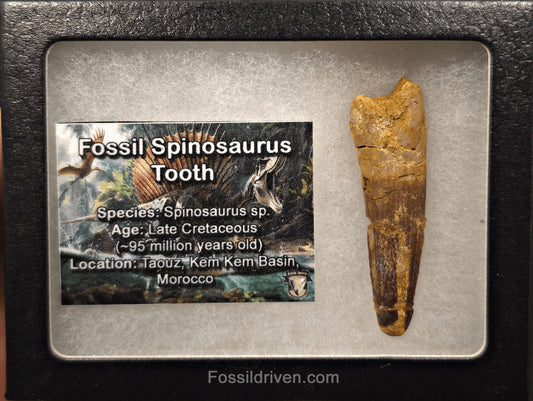
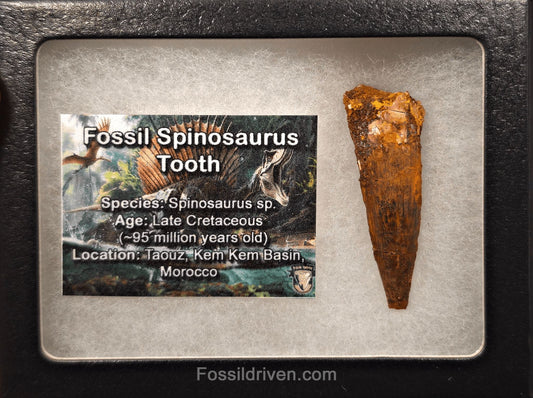
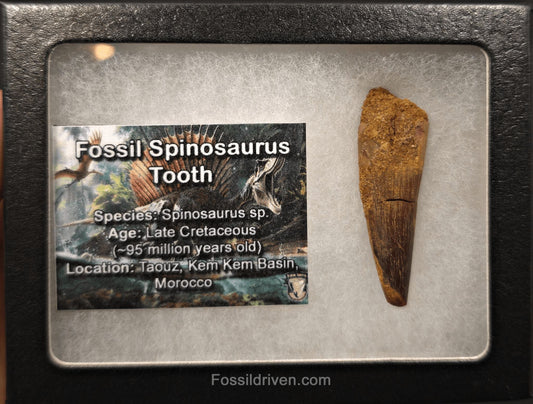
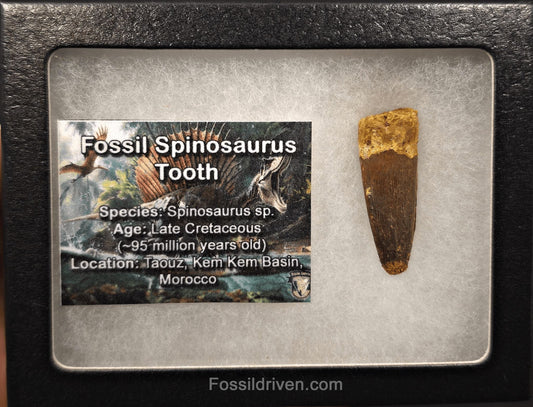
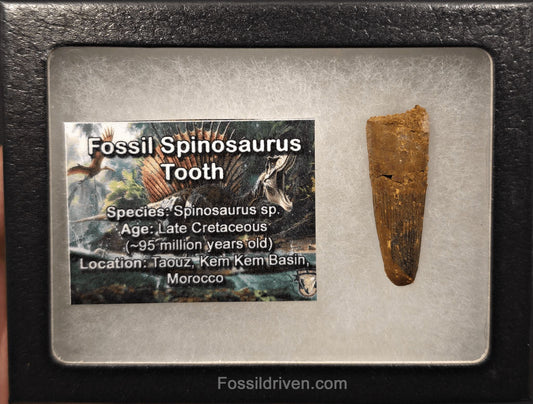
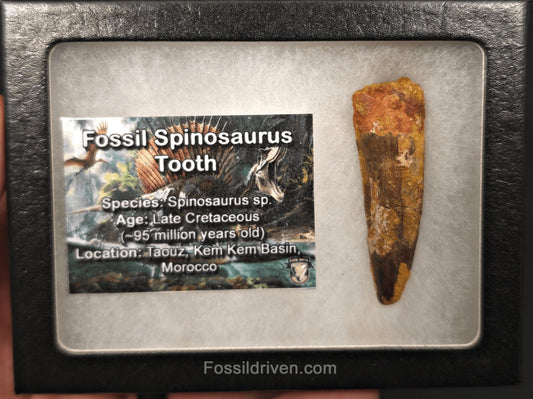
Spinosaurus
One of the largest carnivorous dinosaurs ever discovered and a specialized fish hunter. Its teeth are conical and round in cross-section, with fluted enamel ridges and little to no serration, built for gripping slippery prey.
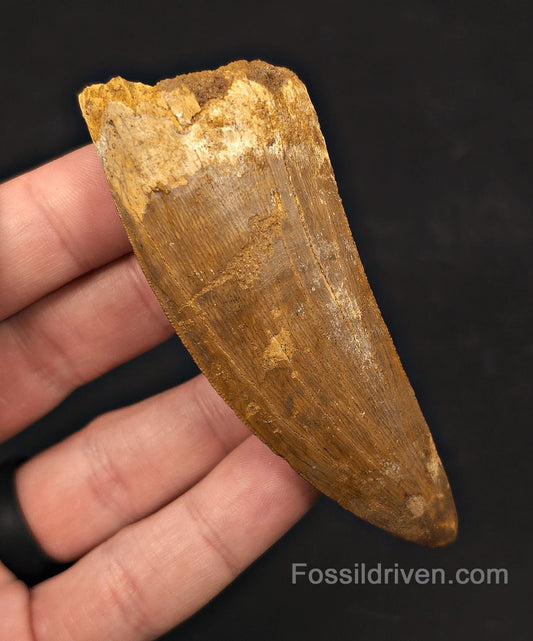
Carcharodontosaurus
A giant apex predator whose name means "shark-toothed lizard." Its teeth are flat, blade-like, and serrated, often with distinctive wrinkles in the enamel near the cutting edges.
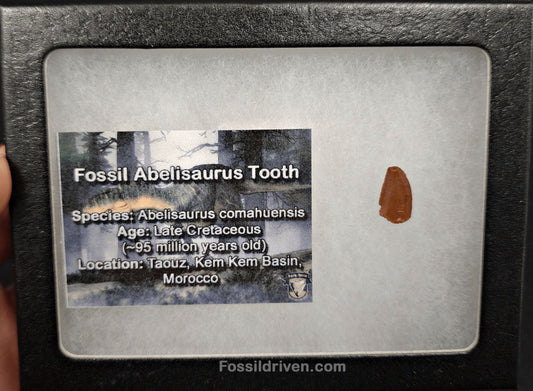
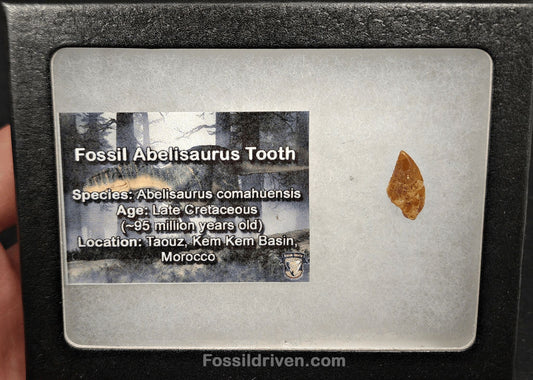
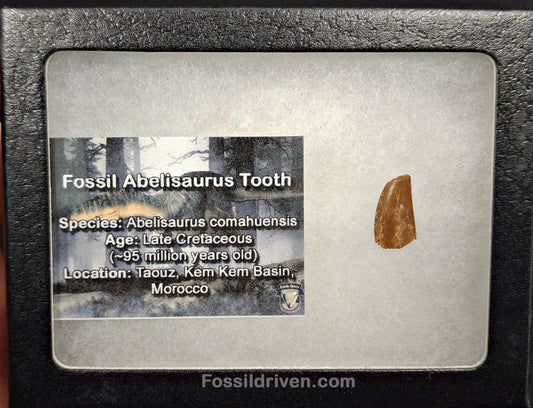
Abelisaurid
A family of short-snouted predators related to Carnotaurus. Abelisaurid teeth are smaller, with short, serrated crowns, making them an affordable way to own a true theropod tooth.
Honest Condition Disclosure
Repair and restoration are very common in the Moroccan dinosaur tooth market. Teeth often break during excavation and are glued back together, and some sellers fill missing tips, add fake roots, or set teeth into artificial matrix without saying so. With more than 13 years of fossil identification experience behind every listing, we state plainly whether a tooth is fully natural, repaired, or restored.
Every tooth we sell is backed by our authenticity guarantee and a 30-day return policy.
Helpful Buying Guides
Looking for mosasaurs and plesiosaurs? They ruled the same Cretaceous seas but weren't actually dinosaurs. You'll find them in our Marine Reptile Fossils collection.