Shopping for Authentic Fossil Starfish and Brittle Stars
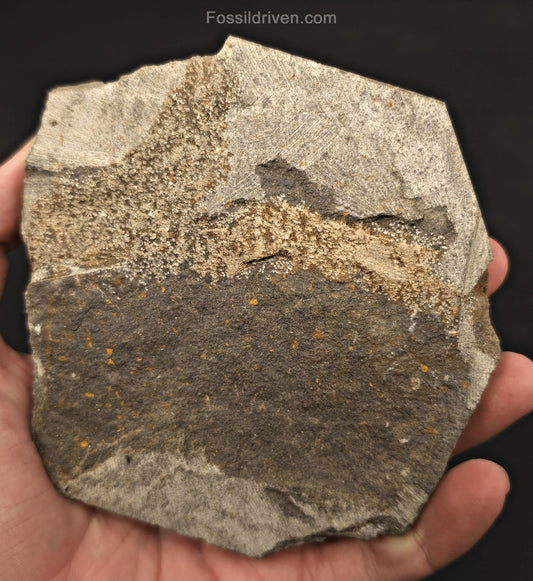
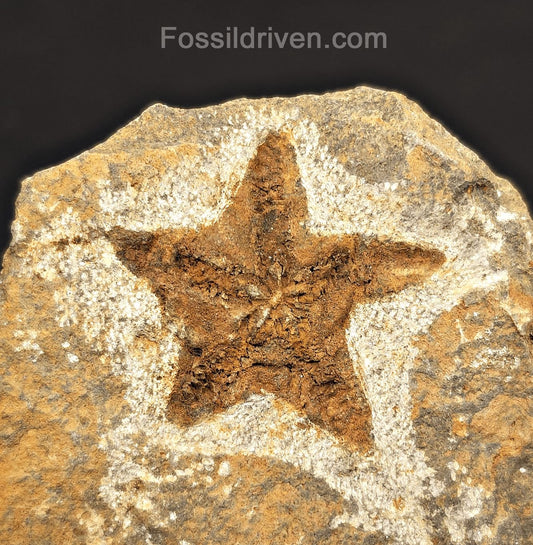
Starfish and brittle stars are echinoderms, the same group that includes sea urchins and sand dollars, and both still live in today's oceans. Their fossils are surprisingly rare, because their bodies are built from small plates that usually scatter after death. Complete, articulated specimens like the ones in this collection form only when an animal is buried quickly, which makes each one a small window into an ancient seafloor.
Where Our Starfish and Brittle Stars Come From
Most of the specimens in this collection come from Ordovician deposits in Morocco, more than 440 million years old. At that time, the region sat beneath a shallow sea teeming with early marine life, including trilobites, brachiopods, and some of the oldest starfish relatives in the fossil record. Fine-grained sediments buried these animals intact, preserving the outline of their arms in remarkable detail.
Starfish vs. Brittle Stars
Starfish (Asteroids)
Arms that widen and blend smoothly into the central body, giving the classic star shape. Starfish move slowly using hundreds of tiny tube feet on their undersides.
Brittle Stars (Ophiuroids)
A small, round central disc with long, slender arms that are clearly separate from the body. Their flexible, snake-like arms let them move much faster than true starfish.
Honest Condition Disclosure
Moroccan starfish and brittle star fossils are frequently enhanced before they reach the market. Arm outlines are often carved deeper or painted to improve contrast, missing arms may be sculpted in, and some pieces sold as fossils are entirely carved. With more than 13 years of fossil identification experience behind every listing, we state plainly whether a specimen is natural, enhanced, or restored.
Every fossil we sell is backed by our authenticity guarantee and a 30-day return policy.
Helpful Buying Guides
From the same ancient seas. Morocco's Paleozoic deposits are also world-famous for fossil trilobites, some of the most detailed and collectible invertebrate fossils ever found.