Shopping for Fossil Lesser White Shark (Mako) Teeth
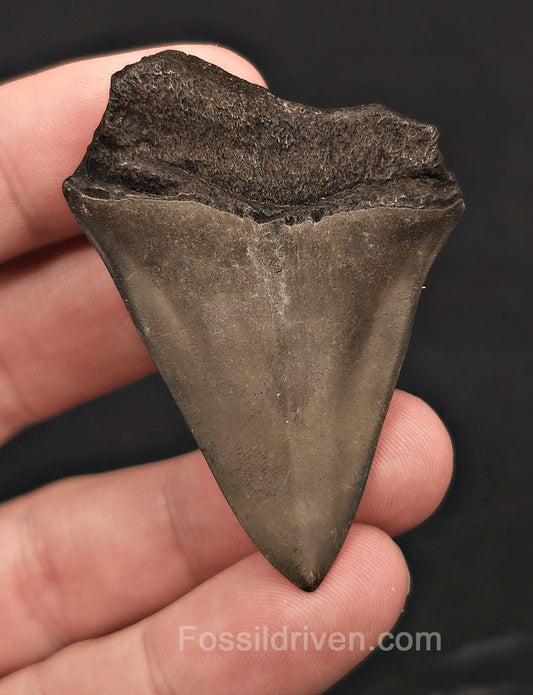
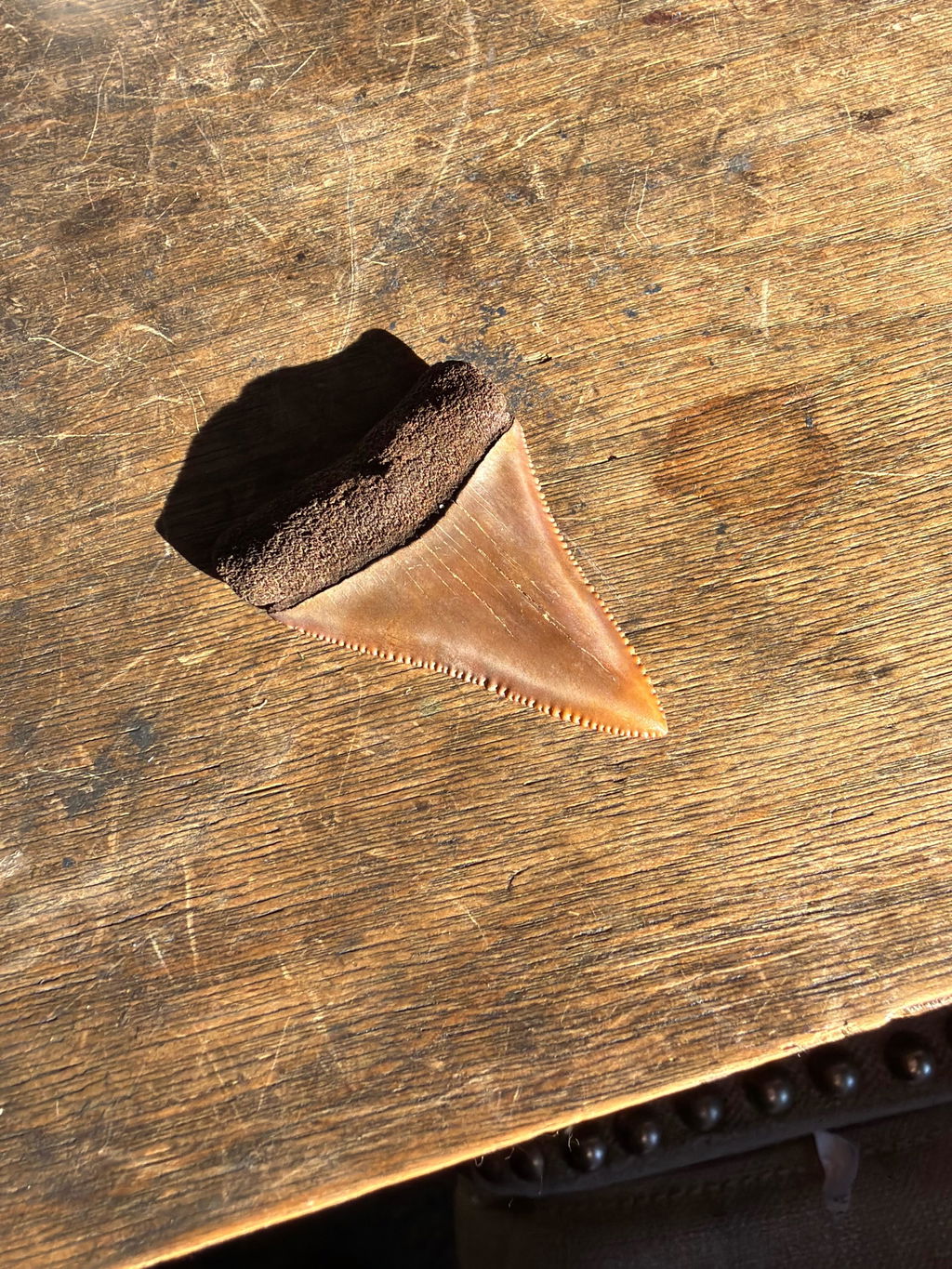
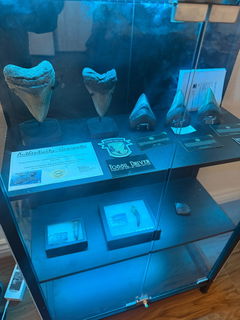
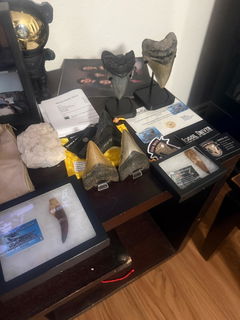
For generations, collectors have called these teeth fossil makos, and the name has stuck. Whatever you call them, their broad, smooth blades and elegant shape make them one of the most recognizable and collectible fossil shark teeth. Every tooth in this collection is a one-of-a-kind specimen, measured and photographed individually.
Mako or Lesser White Shark?
These extinct sharks were long classified in the genus Isurus, alongside today's living mako sharks. As researchers studied more fossils, they found these species were actually closer relatives of the great white than of true makos. The best-known species, formerly Isurus hastalis, is now often classified as Carcharodon hastalis and called the lesser white shark. Many collectors still use the familiar mako name, which is why you'll see both on our site.
Quick Facts
When they lived
Mostly the Miocene and Pliocene epochs, sharing the oceans with Megalodon.
What to look for
A broad, flat, triangular blade with smooth cutting edges, no serrations, and no side cusplets.
Hastalis vs. planus
Hastalis teeth are broad and fairly straight. The Pacific species planus has narrower teeth with a distinctive hooked, sideways-curving tip.
A link to the great white
Broad-toothed members of this group are thought to have given rise to the modern great white shark, which evolved serrations on the same basic tooth shape.
What Affects the Value of a Fossil Mako Tooth
Size matters, with teeth over 2.5 inches being much harder to find. Collectors also look for a sharp, intact tip, smooth edges free of chips, a complete root with both lobes, good symmetry, and attractive color. Localities known for exceptional preservation, such as Peru and Chile, often bring a premium.
Honest Condition Disclosure
Tips and root lobes are the most fragile parts of these teeth, and repairs and restoration are common, especially on larger specimens. With more than 13 years of fossil identification experience behind every listing, we state plainly whether a tooth is fully natural, repaired, or restored. Every tooth is backed by our authenticity guarantee and a 30-day return policy.