
Fossil Hunting on Private Property or Construction Sites

Fossil Hunting on Private Property or Construction Sites: Legal and Ethical Issues for Megalodon Teeth
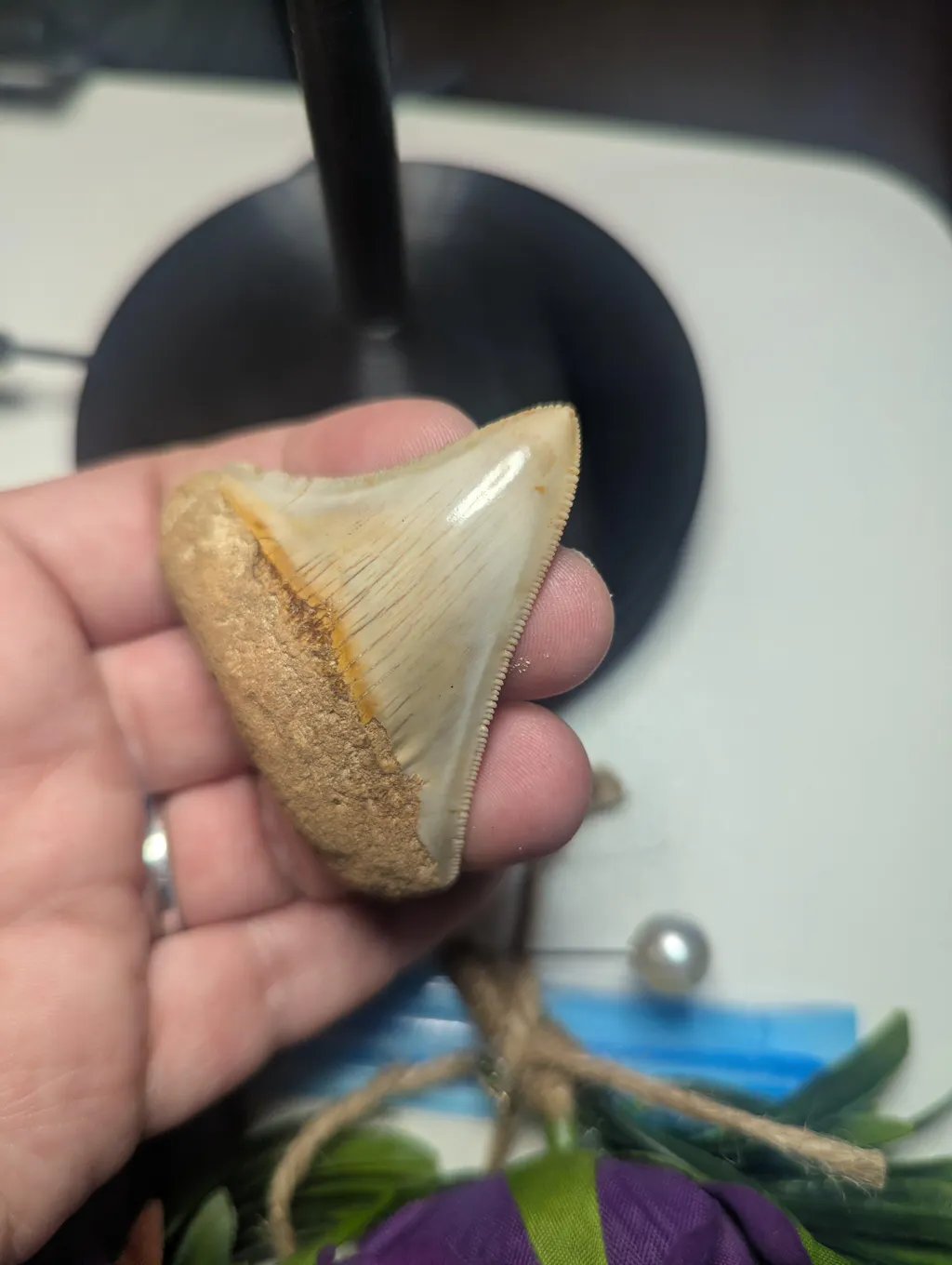
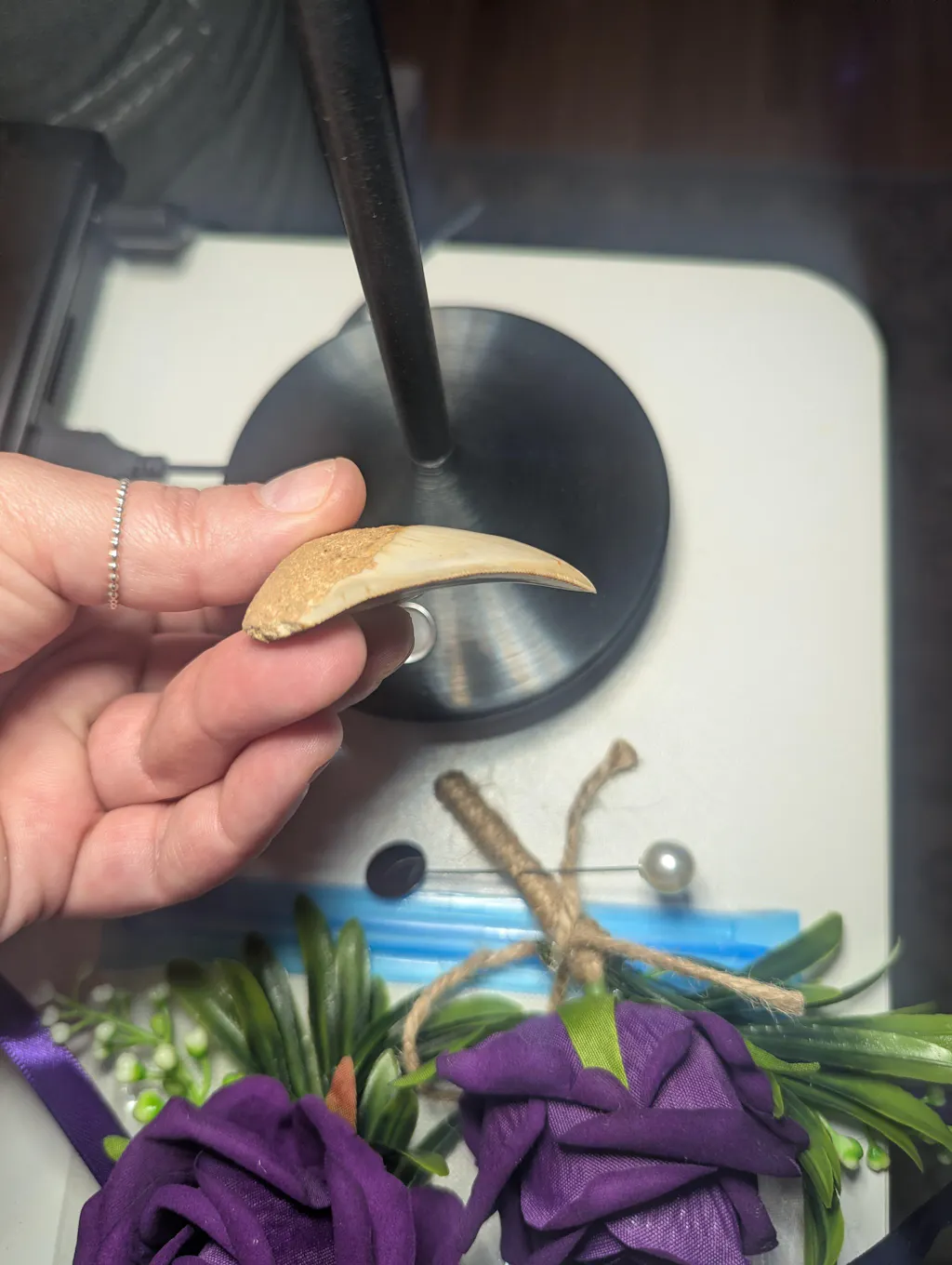
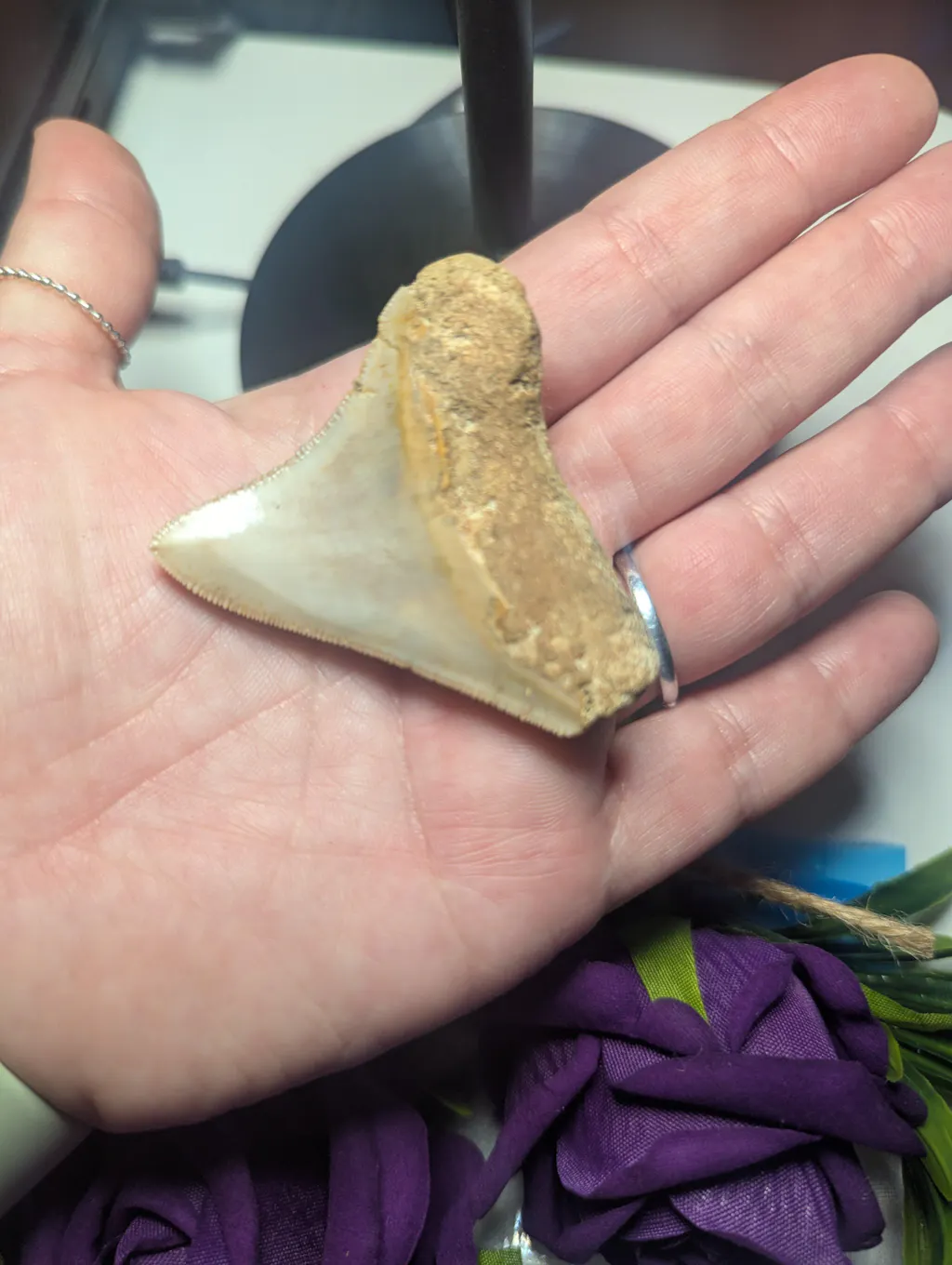
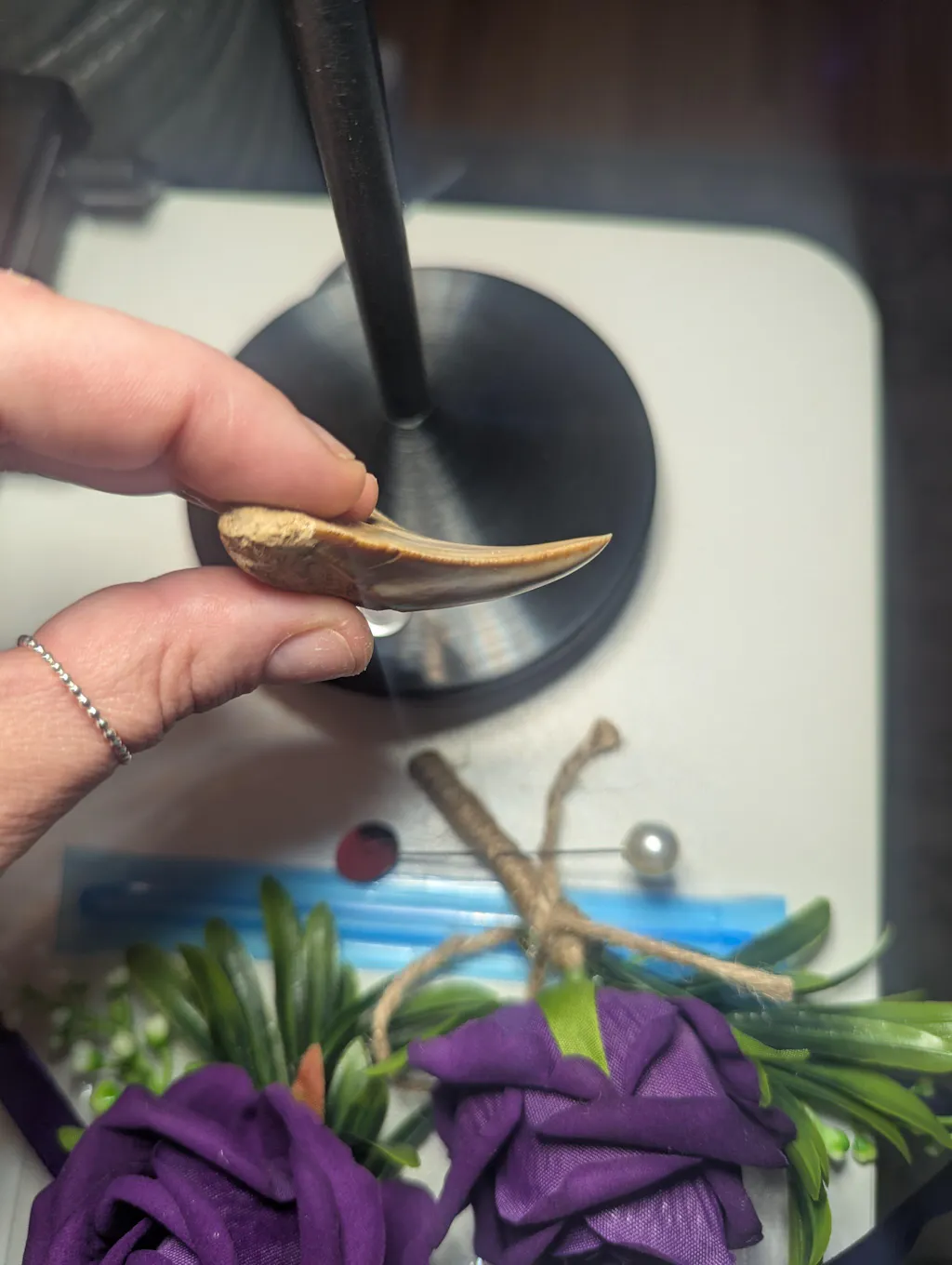
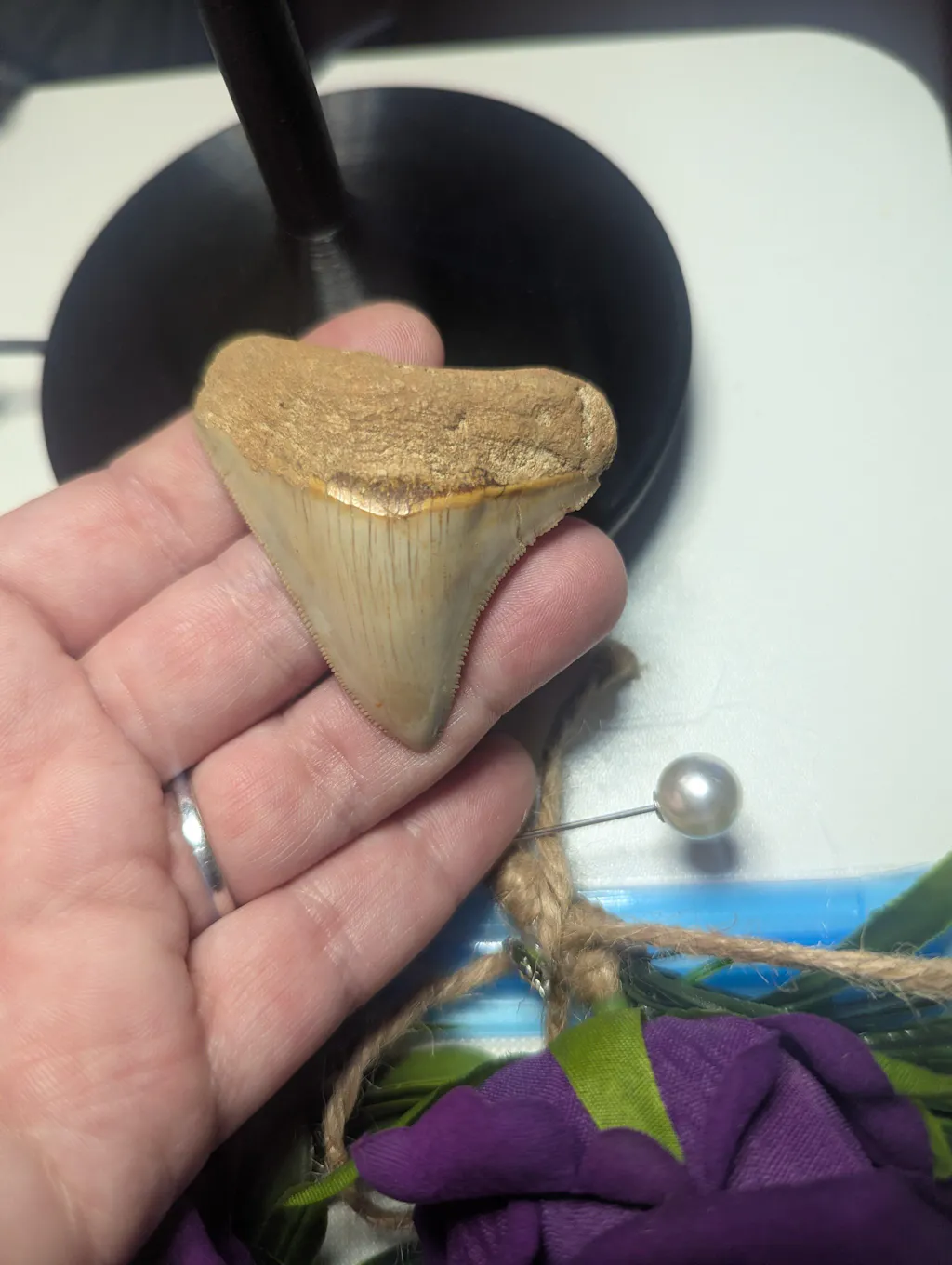
Fossil hunting for Megalodon teeth and other prehistoric fossils is an exciting hobby that blends science, history, and adventure. For many collectors, finding a real fossil Megalodon tooth is a once-in-a-lifetime experience. However, this pursuit comes with serious legal, ethical, and safety considerations, especially when fossil hunting takes place on private property or active construction sites.
Understanding these issues is critical, not only to protect yourself legally but also to ensure that fossil collecting remains a responsible and respected hobby.
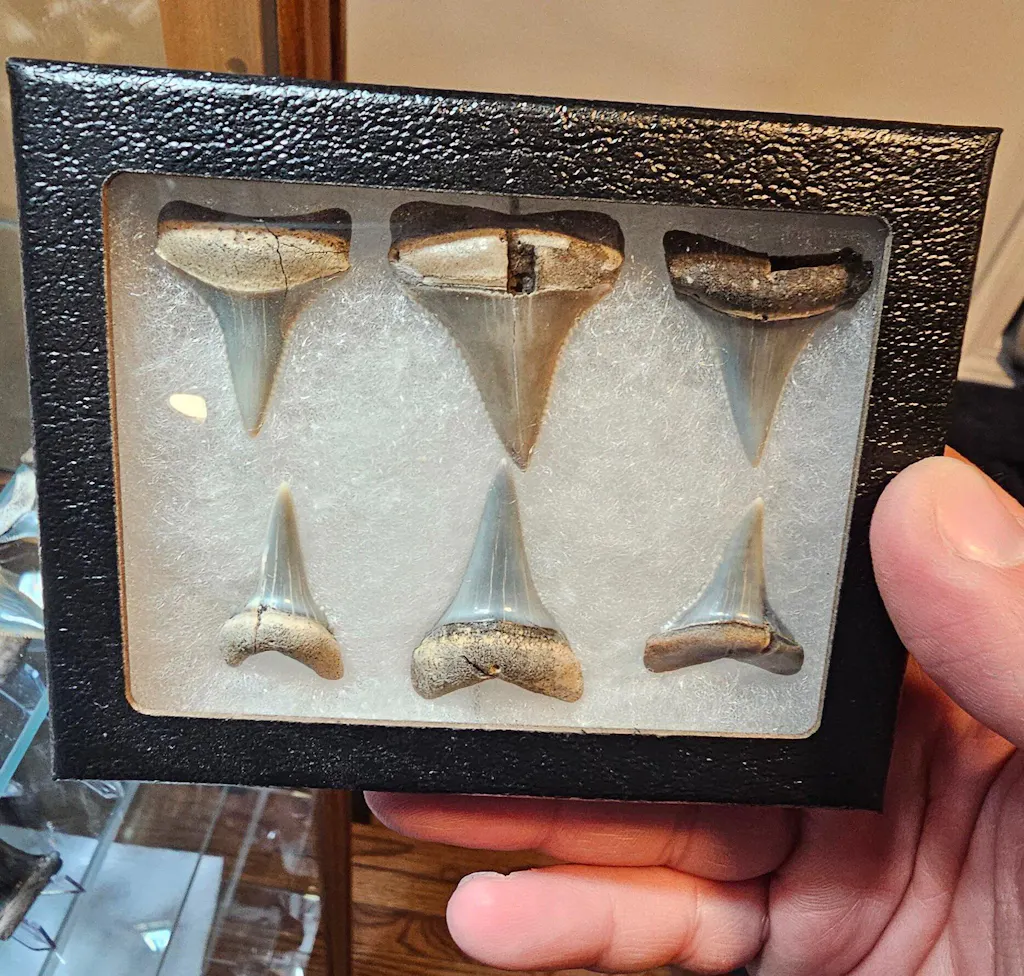
If you’re interested in owning a genuine specimen without the risks, you can explore our collection of authentic Megalodon teeth for sale, all legally sourced and professionally verified.
Legal Implications of Fossil Hunting for Megalodon Teeth
One of the most important aspects of fossil hunting, especially when searching for Megalodon teeth, is understanding land ownership laws.
In most cases, fossils found on private property belong to the landowner, not the finder. Hunting for Megalodon teeth without explicit permission is considered trespassing and, in many areas, theft. These actions can lead to serious consequences, including fines, confiscation of fossils, or even criminal charges. Simply put, no Megalodon tooth is worth those risks.
Construction sites add another layer of complexity. Land is often owned by developers or corporations, and any fossils uncovered during excavation, including Megalodon teeth, whale vertebrae, or other marine fossils, are governed by contracts and local regulations. Some regions require significant fossil discoveries to be reported to authorities for scientific evaluation.
Well-known fossil-producing areas, such as the phosphate mines of central Florida, often have heightened security to prevent unauthorized access. Fossil Megalodon teeth from these locations can be extremely valuable, but entering restricted areas is illegal and dangerous. Again, no megalodon tooth is worth this risk. At least, in my opinion anyway.
Ethical Considerations When Collecting Fossil Megalodon Teeth
Fossil hunting without permission isn’t just illegal, it’s also unethical.
Landowners have the right to decide what happens on their property, including whether fossil Megalodon teeth can be collected. Removing fossils without consent undermines that right, regardless of whether the landowner has an interest in fossils.
Additionally, fossils can carry scientific significance. While Megalodon teeth and other fossil shark teeth are relatively common, other fossils uncovered during unauthorized digging may be rare or scientifically important. Improper excavation or removal can destroy valuable context that helps scientists understand ancient ecosystems.
On construction sites, ethical concerns also include the potential loss of important fossils during development. While some construction crews may not prioritize fossil preservation, this does not justify unauthorized collecting or trespassing.

Safety Risks of Fossil Hunting on Private or Restricted Land
Construction sites are inherently dangerous environments. Heavy machinery, unstable ground, open pits, and limited visibility create serious safety hazards. Trespassing, even after hours, puts fossil hunters at extreme risk and creates liability issues for property owners and developers.
Private properties present risks as well, including:
- Uneven terrain
- Hidden sinkholes or wells
- Wildlife such as alligators or snakes
No fossil, not even the largest Megalodon tooth, is worth risking your life.
Best Practices for Responsible Megalodon Tooth Hunting
If you want to hunt for fossil Megalodon teeth responsibly, follow these best practices:
Seek Permission
Always obtain clear, written permission from landowners before fossil hunting. Agree in advance on what happens to any Megalodon teeth or other fossils found.
Understand Local Laws
Fossil laws vary by region. Some fossils, such as Ice Age mammal remains, are often protected, while Megalodon teeth typically are not. Knowing the difference is essential.
Work With Experts
If you believe you’ve discovered something significant, consult with local museums or paleontologists to ensure proper documentation and preservation.
Avoid Active Construction Sites
Never enter construction zones without authorization. If permitted, coordinate directly with site managers to establish safe and legal access.
Respect the Land
Practice “leave no trace” fossil hunting. Fill holes, minimize disturbance, and respect environmental rules. Poor behavior by fossil hunters has led to tool bans in popular fossil creeks, such as in Gainesville, Florida.
A Safer Way to Own a Real Megalodon Tooth
Fossil hunting can be rewarding, but it’s not the only way to own a real fossil Megalodon tooth. Purchasing from a reputable source ensures legality, safety, and authenticity, without the risks of trespassing or injury.
At Fossil Driven, we offer authentic Megalodon teeth for sale, responsibly sourced and carefully inspected for quality and preservation.
Browse our collection of genuine Megalodon teeth here:
👉 Fossil Megalodon Teeth
Wrapping Up
Fossil hunting on private property or construction sites involves serious legal, ethical, and safety challenges. By approaching Megalodon tooth collecting responsibly, or by choosing legally sourced fossils, you help protect both yourself and the future of the hobby.
Fossils aren’t just remnants of the past; they are shared pieces of Earth’s history that deserve respect and care.

Written by: Brandon Zulli, owner of fossildriven.com
Related Reading
Want to learn more about fossil shark teeth? Check out these other posts: