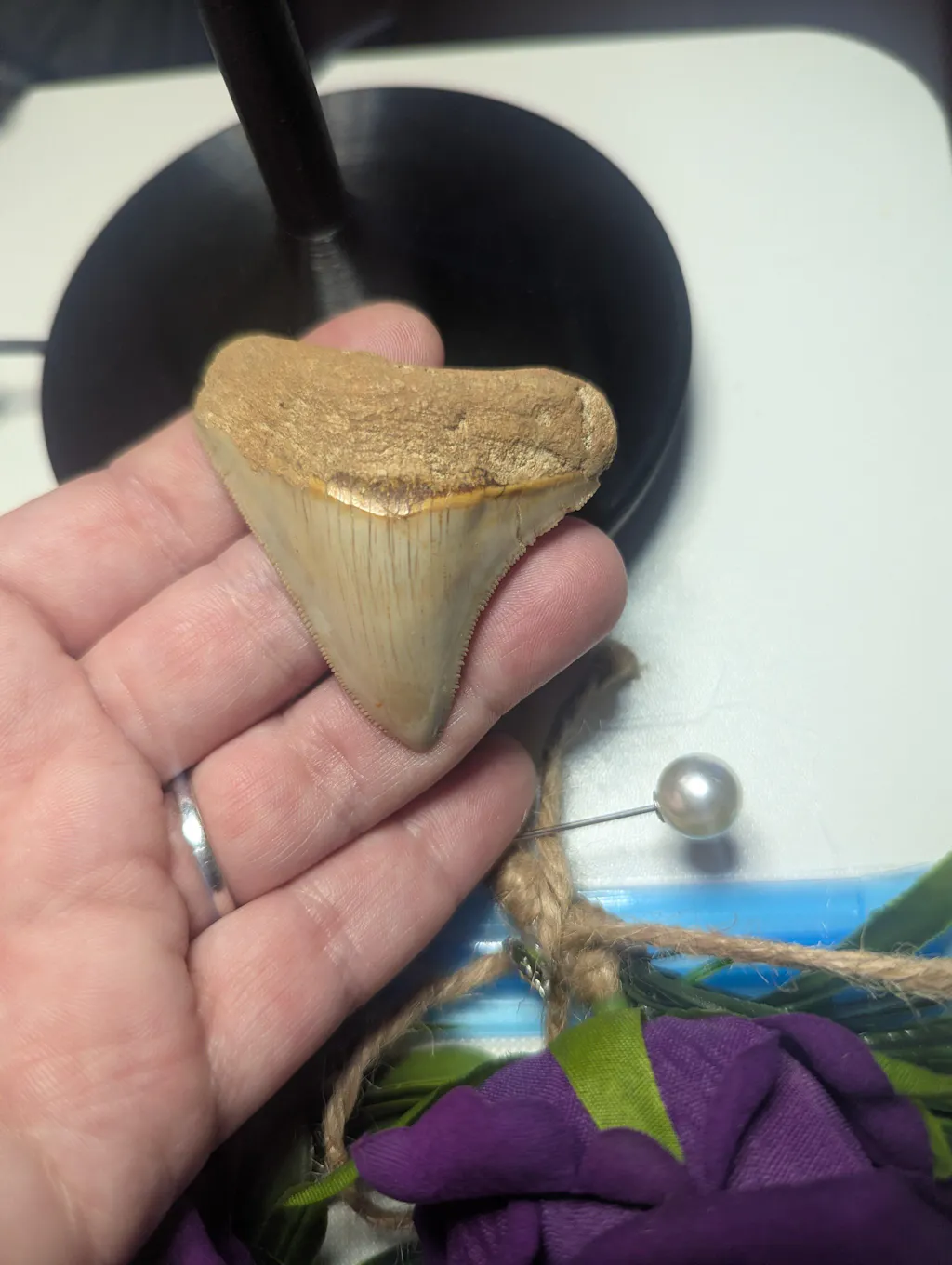

How Much Is a Fossil Megalodon Tooth Worth? A Collector's Price Guide
A 3-inch megalodon tooth can sell for less than a dinner out, while another specimen twice that price can still be considered a bargain. That is because a real megalodon tooth price guide has to go beyond size alone. If you want to buy with confidence, you need to understand how collectors and experienced dealers actually judge value and why two teeth that look similar at first glance can land in very different price brackets.
For most buyers, price comes down to a simple question: what are you really paying for? With megalodon teeth, the answer is usually a combination of size, condition, color, locality, rarity, and the amount of restoration present. The best purchases are not always the cheapest. They are the specimens priced fairly for their quality.
What This Megalodon Tooth Price Guide Looks At
There is no single fixed market price for a megalodon tooth. These fossils are natural specimens, and each one is unique. Some are common collector pieces with honest wear. Others are large, sharp, well-preserved teeth that check nearly every box serious collectors want.
That is why price ranges make more sense than exact numbers. In a healthy retail market, smaller or more worn authentic teeth can start around $30 to $80. Mid-range display pieces often fall between $100 and $300. Strong collector-grade teeth regularly land in the $300 to $800 range. Larger, cleaner, more visually impressive specimens can move past $1,000, while exceptional top 1% teeth with outstanding size, enamel, bourlette preservation, serrations, and eye appeal can reach several thousand dollars. Sometimes even tens of thousands.
Those numbers are broad on purpose. A 4-inch tooth with heavy restoration may be worth less than a sharp, attractive 3.5-inch tooth with stronger preservation. Buyers who focus only on size often overpay.
If you’re browsing with value in mind, you can explore our collection of authentic Megalodon teeth for sale to see how these factors influence real-world pricing.
Proper Measurement Matters
Before discussing value, it is important to understand how megalodon teeth are measured.
The accepted industry standard is slant height, measured diagonally from the tip of the crown to the furthest point of the root lobe. Straight vertical measurements can be misleading and often understate the true size of a specimen. Because size is one of the largest drivers of value, even small measurement differences can significantly affect pricing. A tooth advertised as 6 inches that measures 5.95 or 5.99 inches using proper slant-height measurement may command a very different price than a true 6-inch specimen.

The Biggest Factors Behind Megalodon Tooth Prices
Size Matters, But Only to a Point
Size is still the first thing most buyers notice, and for good reason. Larger megalodon teeth are harder to find, especially when they're complete and visually balanced (no damage). As you move from 3 inches to 4 inches and then beyond 5 inches, prices tend to increase quickly.
However, size without quality has limits. A large tooth with root damage, poor serration preservation, restoration, or enamel issues may not command the premium that buyers expect. In the collector market, size gets attention. Condition closes the deal.
Condition Drives Real Value
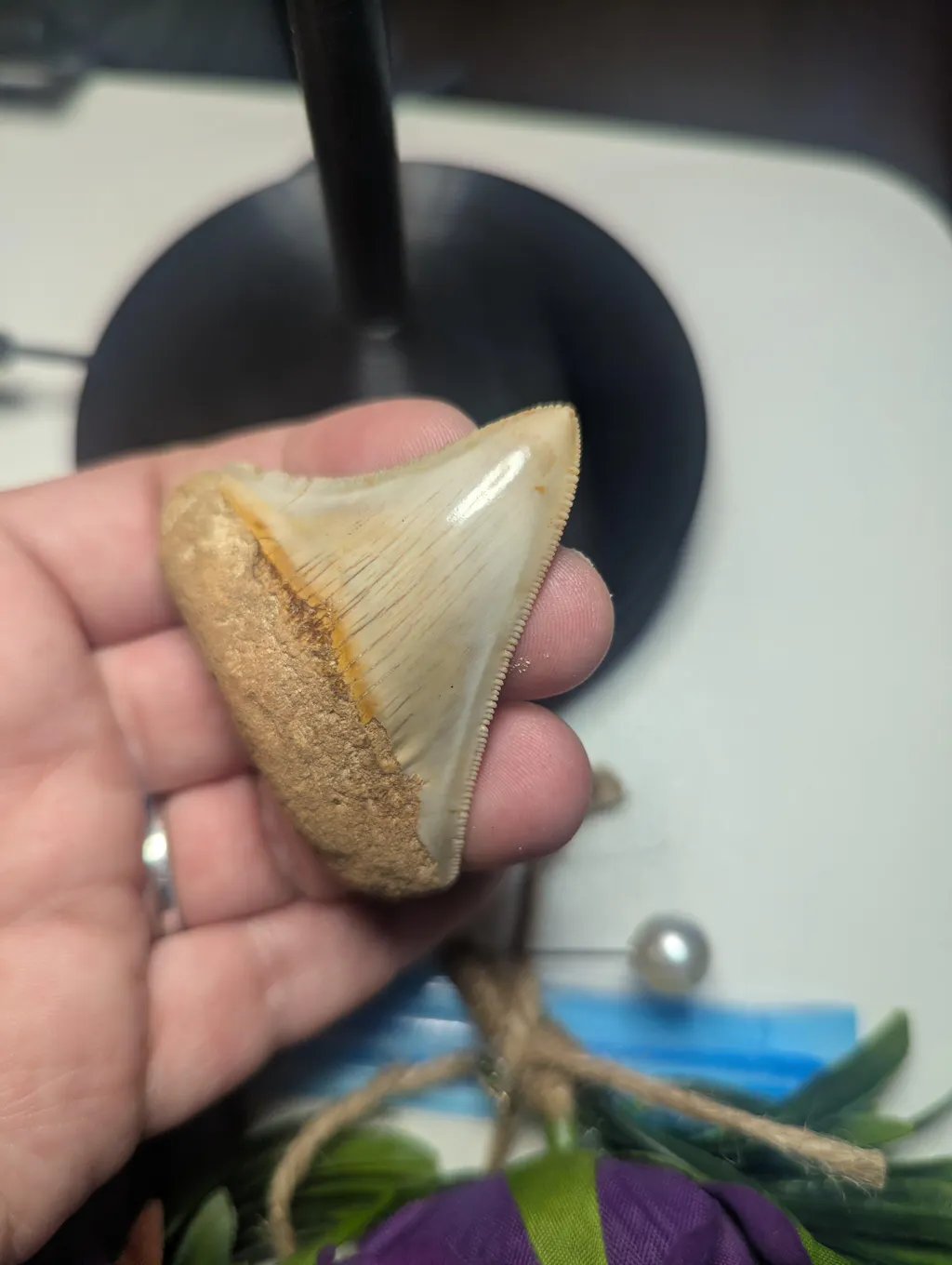
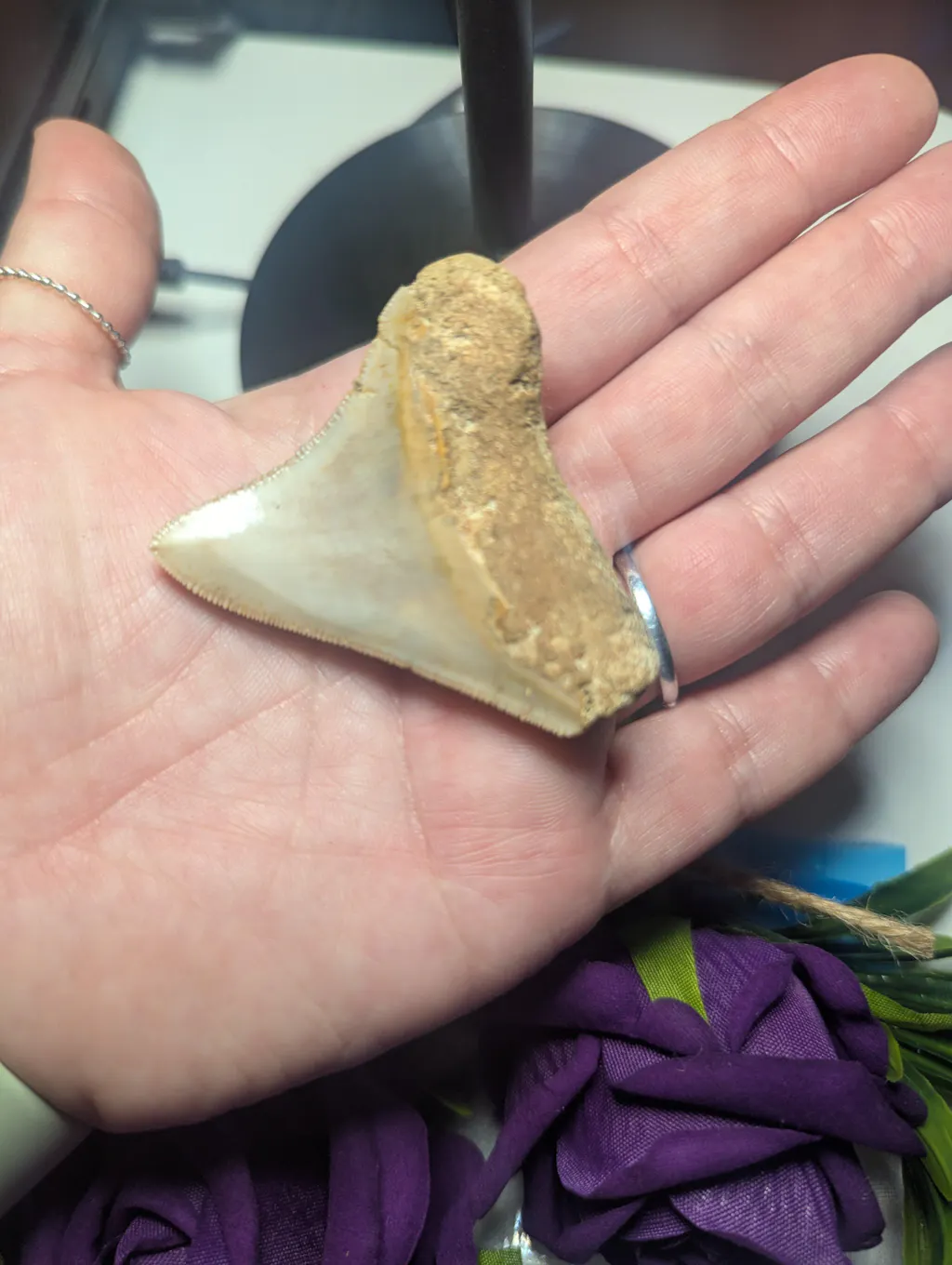
Condition is often the difference between an entry-level fossil and a premium specimen. Collectors evaluate enamel quality, serration visibility, bourlette definition, root completeness, symmetry, and overall preservation.
In my experience, newer collectors often focus heavily on size, while experienced collectors tend to focus on preservation. I have seen 4-inch teeth sell faster than larger specimens simply because they had stronger serrations, better enamel, and a more complete bourlette. Condition is often what separates a display piece from a true collector-grade specimen.
A tooth with glossy enamel, crisp serrations, a solid root, and strong overall presentation will usually command a higher price. By contrast, chips in the blade, root erosion, worn serrations, missing bourlette sections, and or extensive restoration generally lower value.
Why Two Similar-Sized Teeth Can Have Very Different Prices
Many first-time buyers are surprised to discover that two 5-inch megalodon teeth can differ in value by hundreds or even thousands of dollars. One specimen may have been repaired, have feeding damage, worn serrations, restoration, or poor eye appeal. Another may be nearly all-natural with exceptional preservation and coloration. Although the measurements are identical, the collector demand is not.
This is one of the biggest reasons experienced dealers evaluate the entire specimen rather than relying on a single measurement.
Restoration Changes the Price Conversation
I can't say exactly how many authentic megalodon teeth on the market have some degree of restoration, but if you're buying from a place like eBay or Etsy, just be more careful. However, this is not automatically a problem. Small, professionally stabilized repairs can be acceptable, especially on larger fossils where complete preservation is uncommon.
The key is disclosure and how much was restored. Minor touch-up work is very different from major restoration that rebuilds root lobes, tips, or blade edges. The more restoration involved, the more carefully the asking price should be evaluated.
Collectors generally pay the highest premiums for teeth with no restoration, although a professionally restored specimen can still make an excellent display piece. So, if you're trying to save money and the tooth does have some sort of professional restoration done to it, definitely don't sleep on these teeth.
Why Location Can Affect Price
Most commercially available megalodon teeth originate from the southeastern United States, including Florida, Georgia, North Carolina, and South Carolina, along with material from locations such as Indonesia and Morocco. Locality can influence coloration, preservation style, rarity, and collector demand.
For example, some collectors strongly favor South Carolina river teeth because of their coloration and collecting history. Others seek Bone Valley specimens because of their wide range of colors. Teeth from the historic Lee Creek Mine in Aurora, North Carolina, remain desirable because the site is closed and the available supply is finite. As prices rise, provenance often becomes more important, especially among serious collectors building curated collections.
Color and Eye Appeal Matter More Than Many First-Time Buyers Expect
Two teeth with similar measurements can have a dramatically different visual impact. Deep charcoal, glossy black, blue, gray, tan, green, and richly mineralized specimens all appeal to different collectors. Clean contrast between enamel, bourlette, and root often adds value as well.
Collector preferences vary considerably. Some buyers actively seek blue Bone Valley specimens. Others focus on dark river teeth from South Carolina or Georgia. I know collectors who will pass on a larger tooth if the coloration is not attractive enough for their collection. Eye appeal is subjective, but it absolutely influences market value.

Symmetry and Overall Shape Influence Collector Demand
A well-centered, nicely proportioned tooth generally displays better than an uneven specimen. Broad crowns, balanced root lobes, strong serrations, and a classic megalodon silhouette often command stronger prices.
That does not mean unusual shapes are undesirable. Some collectors enjoy distinctive forms and natural variation. However, when two teeth are otherwise similar, the more symmetrical specimen usually wins on value. This isn't a huge factor, but I do know some collectors would love large, symmetrical teeth over a lateral or posterior megalodon tooth.
Pathological Megalodon Teeth
Pathological megalodon teeth occupy a specialized niche within the fossil market. These teeth display natural abnormalities that occurred during the shark's lifetime, such as curved crowns, unusual root structures, multiple tips, or asymmetrical growth patterns.
Because these specimens are uncommon, some collectors are willing to pay substantial premiums for especially dramatic examples. However, value depends heavily on the severity of the pathology, preservation, and overall eye appeal.

Megalodon Teeth with Pyrite
Pyrite, sometimes called fool's gold, occasionally forms on fossil megalodon teeth during mineralization. Collectors often value pyrite specimens because they combine two desirable features in one fossil: a megalodon tooth and natural crystal growth.
Pricing depends on the amount of pyrite present, its location on the tooth, overall preservation, and visual appeal. Exceptional pyrite specimens often command higher prices than comparable non-pyritized teeth.

Typical Price Ranges by Quality Tier
If you are shopping retail, this is a practical way to think about the market.
Entry-level authentic teeth, often smaller or displaying noticeable wear, commonly range from $30 to $100. These are excellent choices for first-time buyers, gifts, or collectors looking for an authentic specimen without chasing perfection.
Lower mid-range teeth typically range from $100 to $250. At this level, buyers can often find attractive display pieces with solid color, decent preservation, and manageable amounts of wear.
Collector-grade specimens frequently fall between $250 and $800. Sometimes well over $1,000, but it depends on several factors that we've discussed previously. This is where preservation, aesthetics, and size begin working together. Buyers are paying for stronger display quality and overall completeness.
Premium specimens often begin around $1,000 and rise quickly. These are typically, but not always, larger, cleaner, and more visually impressive teeth with strong enamel, visible serrations, attractive coloration, and limited restoration. Once a tooth reaches the top 1% in preservation, prices can move into the multi-thousand-dollar range.
How to Tell If a Price Is Fair
A fair price is not simply about being low. It is about matching the specimen. Look closely at the photographs. Are the serrations visible? Is the enamel attractive or heavily worn? Does the root appear complete and stable? Is the bourlette present? Has restoration been clearly disclosed? Are measurements accurate?
This is where buying from a specialist dealer matters. A knowledgeable seller should understand grading, disclose restoration honestly, and stand behind authenticity. That removes much of the uncertainty that makes fossil buying frustrating for newer collectors.
Red Flags When Comparing Prices
If a very large tooth seems dramatically cheaper than comparable specimens, there is usually a reason. It may have major restoration, poor preservation, hidden damage, questionable authenticity, or misleading photography.
On the other hand, some ordinary teeth become overpriced simply because the seller focuses heavily on size while overlooking condition. A 5-inch measurement sounds exciting, but if the blade has been rebuilt and the root is heavily worn, the value may not be there.
Good sellers make these trade-offs clear. Great sellers help buyers understand whether a specimen is best suited for budget collecting, gifting, display, or long-term collector appeal.
Should You Buy the Cheapest Tooth or Save for a Better One?
That really depends on your goals.
If you want your first authentic megalodon tooth, an affordable specimen with honest wear can be a fantastic purchase. It provides the experience of owning a genuine fossil from one of history's most famous predators without requiring a large investment.
If you care about display quality or long-term collecting, satisfaction often comes from buying the best specimen your budget comfortably allows. Many collectors learn this after purchasing a lower-grade tooth and later upgrading. Spending more on higher condition, better coloration, and superior preservation often provides greater long-term enjoyment than simply chasing the largest measurement available.
A Practical Collector Mindset
The best megalodon tooth price guide is not a chart. It is a way of evaluating fossils.
Start with authenticity. Then evaluate condition, restoration, size, symmetry, color, locality, and overall eye appeal. Once you understand how those factors work together, you stop shopping by hype and start shopping like a collector.
A great megalodon tooth does more than fill a display stand. It creates a tangible connection to deep time, and that is worth choosing carefully.
Written by Brandon Zulli, Owner of Fossil Driven