
Introduction
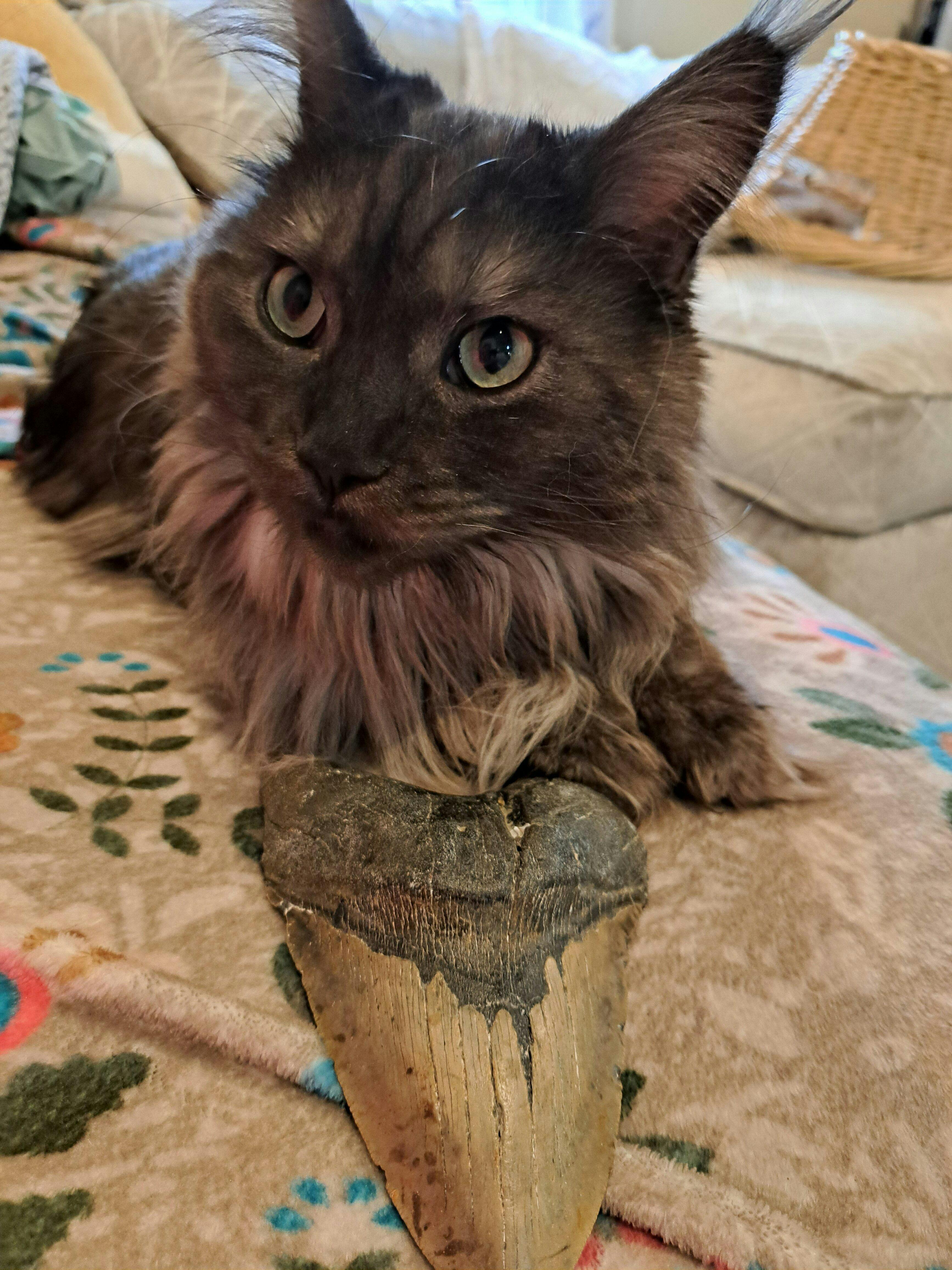
Fossils have captured human imagination for centuries, from ancient “dragon bones” to the massive Megalodon teeth that spark legends of sea monsters. But with so much attention online, misinformation can spread fast.
At Fossil Driven, we believe that fossils tell authentic stories, not myths. In this article, we’re setting the record straight on the most common misconceptions in the world of fossil collecting and shark teeth.
🦈 Myth #1: “Megalodon Still Lives Somewhere in the Deep Ocean”
Very few fossil-related myths are more persistent than the idea that Megalodon is still alive, lurking in the unexplored depths of our oceans. It’s a favorite of documentaries and internet conspiracy posts, but scientifically, it’s impossible.
Megalodon went extinct around 3 million years ago, during the Pliocene epoch. Fossil records show a complete absence of its teeth in younger sediments. Additionally, today’s ocean ecosystem couldn’t sustain a 60-foot predator; the prey populations and global temperatures that Megalodon thrived on simply no longer exist.
The Megalodon was a coastal predator that fed on whales and other large marine mammals. If it were still alive today, we’d see unmistakable signs, such as whale carcasses bearing massive bite marks or regular sightings along our coasts. We routinely observe huge species like blue whales, whale sharks, and basking sharks, so a living Megalodon would be just as visible.
The legend lives on, but the evidence ends firmly in the fossil record.
💎 Myth #2: “All Black Shark Teeth Are Fake or Dyed”
Many people assume that the rich black, gray, or brown tones of fossil shark teeth mean they’ve been painted or stained, but in truth, the color is 100% natural.
When a tooth fossilizes, minerals in the surrounding sediment replace the organic material. Iron, manganese, phosphate, and silica determine the final color.
- Bone Valley teeth often turn gold, cream, or turquoise.
- Peace River teeth darken into jet black.
- Wilmington, NC teeth can appear tan to blueish-gray.
So, that deep black enamel isn’t ink or paint — it’s the color of ancient seawater chemistry locked in time.
👉 Learn more in our blog: “The Science Behind the Shades.”
🪨 Myth #3: “Polished Fossils Aren’t Authentic”
There’s a big difference between “fake” and “polished.” Polished fossils are genuine specimens that have been lightly buffed to enhance their natural color and sheen — especially common for ammonites, broken megalodon teeth, and some Moroccan fossils.
This process doesn’t add paint or filler; it simply reveals the fossil’s original structure more clearly. Some collectors prefer the natural matte finish, while others love the glossy look for display. Both are authentic, just different styles of presentation.
Tip: If a seller discloses polishing upfront, that’s a good sign of transparency and authenticity.
⚒️ Myth #4: “Repaired Fossils Are Worthless”
Repairs are common, especially in fragile fossils like Megalodon teeth, dinosaur bones, trilobites, or Mosasaur jaws. During excavation, many specimens break along natural fracture lines. Professional fossil preparators often glue these clean breaks using archival adhesives.
As long as no enamel restoration or filler is added, a repaired fossil retains its authenticity and value. Restoration (where missing areas are rebuilt with resin) should always be disclosed, but repair alone doesn’t diminish significance.
In fact, some of the finest museum specimens in the world have minor repairs from the moment they were uncovered.
👉 For more on this topic, see our article: “How to Spot Repaired vs Restored Megalodon Teeth.”
🌊 Myth #5: “You Can Collect Fossils Anywhere You Want”
Not quite! While fossil hunting is one of the most exciting parts of the hobby, it’s also one of the most legally misunderstood.
In the U.S., fossil laws vary by state:
- Florida: Fossil shark teeth can be collected recreationally in rivers, but vertebrate fossils (like bone) require a state permit. Some locations, like Gainesville, Florida, ban people from using tools in their creeks.
- South Carolina: Fossil collecting is allowed in tidal areas, but some restricted on state-owned river bottoms. Of course, this doesn't stop some folks from diving these rivers.
- Federal land: Collecting vertebrate fossils without a permit is illegal.
Respecting fossil laws helps preserve sites for science — and protects collectors from costly fines.
👉 See also: “Fossil Conservation: How to Be a Responsible Collector.”
🔎 Myth #6: “Fossils Are Just for Scientists”
This one couldn’t be further from the truth. Fossil collecting has always been a collaboration between amateurs and professionals. Some of the most significant discoveries, including entire new species, were made by hobbyists.
Today’s collectors play a vital role in preservation, education, and public engagement. Whether you collect for science, display, or sheer fascination, every authentic specimen adds to the story of Earth’s history.
Conclusion
Fossils connect us to the ancient world, but separating fact from fiction ensures we respect what they truly represent. When you collect knowledge, you’re not just building a display case; you’re preserving natural history for generations to come.
Written by: Brandon Zulli, owner of fossildriven.com
Related Reading
Want to learn more about fossil shark teeth? Check out these other posts:
- Where Are Fossil Megalodon Teeth Found?
- How to Spot Repaired or Restored Fossil Teeth
- How Fossil Shark Teeth Are Priced
Explore the fossils that we have for sale: