
Cleaning Fossil Megalodon Shark Teeth: A Complete Guide
There's something special about bringing a fossil back to life, at least for me. There's a kind of calm that comes with sitting down and slowly revealing the enamel sheen of a megalodon tooth or the intricate ridges of a mammoth molar that's been hidden for thousands, or even millions, of years. Whether it's a find pulled from Florida's Peace River, uncovered while diving off the coast of Venice, or a specimen added to your growing collection, careful cleaning and preservation can bring out the natural character of each piece and keep it looking incredible for generations to come.
In this guide, we'll cover how to safely clean fossil megalodon teeth, as well as mammoth, mastodon, horse teeth, and a variety of other fossils, without damaging their natural patina or structure.

Before You Start: Check for Repairs and Restoration
Before cleaning any fossil, especially a higher-value specimen, find out whether it has been repaired or restored. Many restored teeth use resin, epoxy, glue, and paint that can soften, dissolve, or discolor with soaking, vinegar, or solvents like acetone. Aggressive cleaning can also expose hidden work. If you're not sure what to look for, read our guide on how to spot repaired or restored fossil megalodon teeth. If a tooth is restored, stick to a dry, soft brush.
Rinse Away Surface Sediment
Seems like a no-brainer, right? Start with a gentle rinse in lukewarm distilled water. Use a soft toothbrush or your fingers to remove loose sand, clay, or phosphate residue. When you're digging around in creeks, rivers, or the ocean, loose sand often gets trapped in the cracks of fossils. For stubborn material on durable fossils like shark teeth, let the fossil soak in distilled water for 24 to 48 hours to loosen compacted sediment.
Tip: Avoid tap water, especially in areas with high mineral content. It can leave calcium deposits on enamel surfaces and dull the natural color. Also skip long soaks for porous fossils like mammoth and mastodon teeth, which can crack or split as they dry.
Light Mechanical Cleaning (for Megalodon and Other Shark Teeth)
Megalodon teeth often, but not always, come from phosphate-rich riverbeds, which means they may have compacted matrix around the serrations and root. To clean without damage:
- Use wooden toothpicks, bamboo skewers, or soft dental tools to dislodge debris.
- For fine detail work around serrations, use a magnifier light or headlamp.
- Avoid hard metal picks and wire brushes. They can scratch or flatten serrations.
- Skip bench polishing wheels. I know some folks swear by them, but if you lose your grip on a tooth, it'll go flying.
If you have access to micro-cleaning tools, a low-pressure soda blaster using baking soda media can be incredibly effective without harming enamel. Practice on a lower-value tooth first, since pressure that's too high can strip color or leave micro-pitting.
Avoid: Sandblasting and steel-bristled tools. They'll remove enamel and destroy texture.
Gentle Chemical Cleaning for Stains or Calcite Buildup
Over time, many megalodon teeth and other fossils develop white or tan calcite crusts, especially fossils found in the ocean. On natural, unrestored teeth, these crusts can be removed with a diluted vinegar solution of 50% white vinegar and 50% distilled water:
- Submerge the fossil for no more than 5 to 10 minutes. The solution will soften the calcite crust so you can remove it with a soft brush, wooden pick, or dental tool.
- After cleaning, soak the fossil in fresh distilled water for at least half an hour to stop the vinegar from working.
- Let it dry fully before handling it further.
For fragile fossils like mammoth, mastodon, sloth, and horse teeth with crumbly enamel, skip the vinegar entirely and use gentle mechanical cleaning with a soft brush or wooden pick instead.
Caution: Never use muriatic acid, bleach, or hydrogen peroxide on fossils. These can permanently etch or weaken fossilized material. And don't leave any fossil in vinegar longer than necessary. Fossil teeth are made of minerals that vinegar can slowly eat away, enamel included, so a few extra minutes can do real damage.
Drying and Surface Stabilization
After cleaning, pat the fossil dry with a soft towel and let it air-dry for 24 hours in a shaded, room-temperature spot. Avoid heat lamps and direct sunlight, which can cause micro-cracks. Many collectors also keep colorful Bone Valley teeth out of direct sunlight to protect their rare color, which you can read more about in why fossil megalodon teeth have different colors.
For porous fossils like mammoth or mastodon teeth, a stabilizing solution may be necessary:
- Mix Paraloid B-72 in acetone at about a 5 to 10% solution.
- Apply it gently to the surface with a brush and allow it to dry.
- This consolidant helps strengthen fragile enamel and protects against flaking or crumbling. It's also reversible with acetone, which is why conservators prefer it.
Safety note: Acetone is flammable and has strong fumes, so work in a well-ventilated area away from open flames. Never use acetone on a restored tooth, since it can dissolve restoration materials.
Polishing (Optional, and Only for Certain Fossils)
Most collectors prefer to keep their megalodon teeth natural. Over-polishing or altering a tooth's surface can hurt its value, which is why condition plays such a major role in how fossil megalodon teeth are priced. If you have a tooth with dull enamel that you'd like to showcase:
- Gently buff it with a microfiber cloth.
- Avoid oils and waxes, which can darken the surface or give it an artificial shine.
For mammoth or horse teeth, light buffing can bring out the natural enamel patterns, but again, skip artificial polishes and sealants.
Proper Display and Long-Term Preservation
Fossil teeth are resilient, but they still need stable conditions for long-term preservation:
- Keep humidity around 40 to 60%. Too dry and some fossils may crack; too humid and mold may develop. Normal indoor conditions are usually fine.
- Keep pyritized fossils drier. Teeth with pyrite, like some Savannah River megs, can slowly break down in humid conditions, a problem known as pyrite decay. Store them in the driest, most stable spot you have.
- Avoid direct sunlight, especially for fossils with rare coloration, like blue or white Bone Valley megalodon teeth.
- Use stands or cases to protect your fossils from dust, bumps, and moisture.
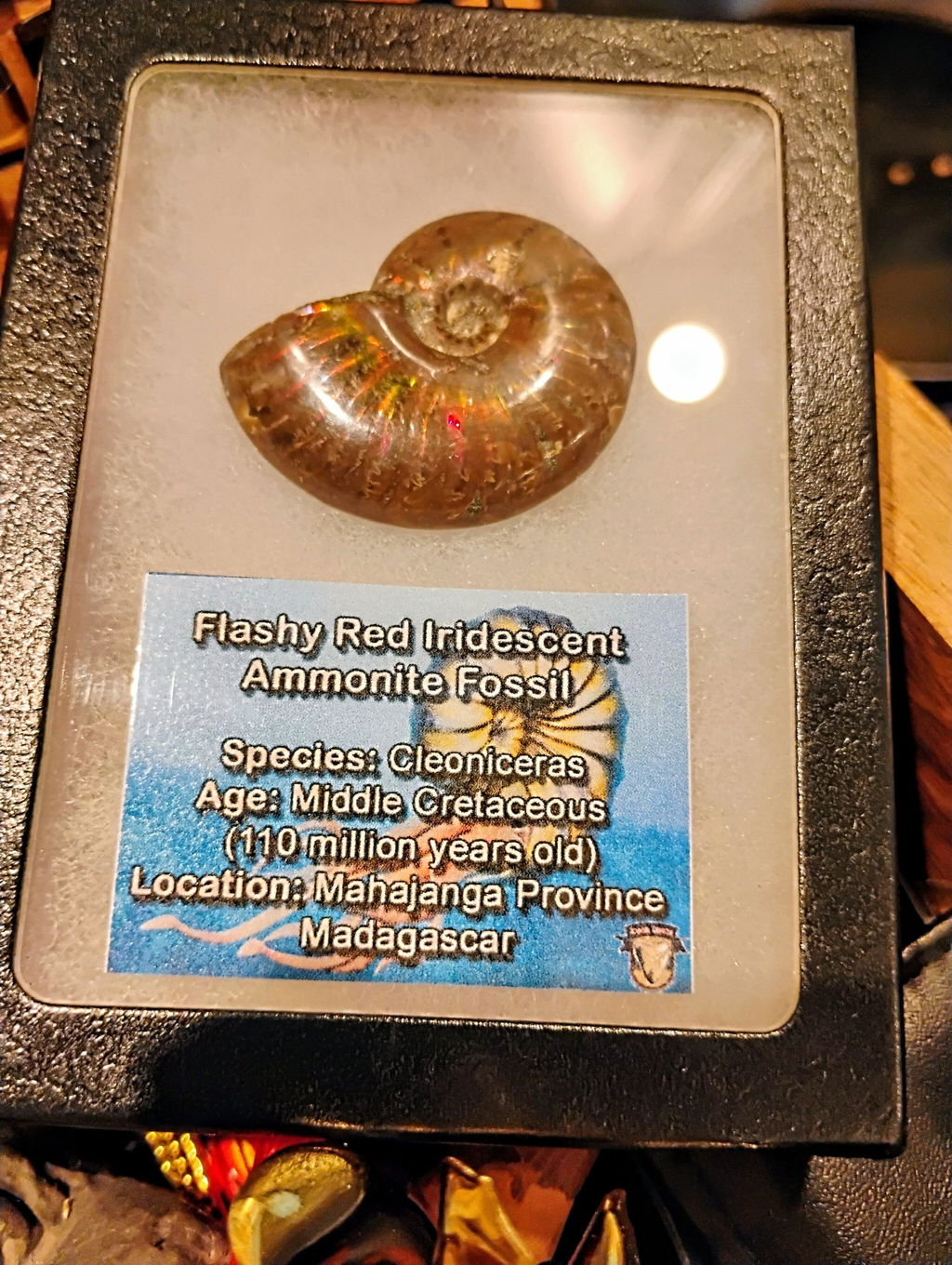
- Label your fossils with locality and age. It adds both display and educational value. We include identifying information with every fossil we sell because it adds a nice finishing touch.
Fossil Driven Tip: Show off your freshly cleaned tooth with one of our megalodon tooth display stands. They hold teeth securely and include a magnetic base for an information card, so your locality and age details are always on display.
Frequently Asked Questions
Can I use tap water to clean a megalodon tooth? It's better to use distilled water. Tap water, especially in areas with high mineral content, can leave calcium deposits on the enamel that dull the tooth's natural color over time.
How long should I soak a fossil in vinegar to remove calcite buildup? No more than 5 to 10 minutes in a 50/50 solution of white vinegar and distilled water, and only on natural, unrestored teeth. Longer exposure can start to eat into the fossil itself, including the enamel on megalodon teeth. Always rinse thoroughly in fresh distilled water afterward.
Can I clean a restored megalodon tooth? Yes, but gently. Use only a dry, soft brush or a lightly damp cloth. Soaking, vinegar, and solvents like acetone can soften or dissolve the resin, glue, and paint used in restoration.
Will cleaning a megalodon tooth affect its value? Gentle, appropriate cleaning generally has no negative effect on value. Over-cleaning, polishing, or using harsh chemicals can damage enamel or expose prior repairs, which is why conservative methods and testing on lower-value specimens first are always the safer approach.
What's the safest tool for cleaning around serrations? Wooden toothpicks, bamboo skewers, and soft dental tools are the safest options. Avoid hard metal picks and wire brushes, which can scratch or flatten serrations. A magnifier light helps with detailed work.
Should I seal or stabilize a megalodon tooth after cleaning? Most display-quality megalodon teeth don't need stabilization. It's more relevant for porous fossils like mammoth or mastodon teeth with fragile or crumbly enamel. For those, a diluted Paraloid B-72 solution applied with a soft brush is the professional standard.
Wrapping Up
Cleaning and preserving fossils is an art form, one that connects you directly to prehistoric life. Whether you're cleaning a calcite-coated megalodon tooth or stabilizing a mammoth molar, the right techniques can make each specimen shine without compromising its authenticity. Take your time, use gentle methods, and enjoy the process. After all, every fossil you clean is a story millions of years in the making.
Add to Your Collection
Every tooth in our collection is listed with its exact size, locality, and condition, including any repair or restoration, so you'll always know how to care for it.
Written by: Brandon Zulli - Owner of Fossil Driven