
How to Buy Authentic Fossils for Sale: A Collector's Guide
Share
A fossil can look impressive in a photo and still be the wrong purchase. That is the real challenge when shopping for authentic fossils for sale. The goal is not simply finding something interesting. It is knowing whether the specimen is genuine, accurately identified, honestly represented, and truly worth adding to your collection.
That matters whether you are buying your first fossil shark tooth, searching for a collector-grade trilobite, evaluating a dinosaur tooth, or looking for a rare Baltic amber insect inclusion. The best fossils combine scientific value, visual appeal, and long-term collectibility. Great fossil buying is part excitement and part informed decision-making.
The good news is that you do not need to be a paleontologist to buy well. Understanding a few key principles can help you avoid common mistakes and purchase specimens you will still appreciate years from now.
What to Look for in Authentic Fossils for Sale
The first question is simple: Is the fossil real? The second question is where serious buyers separate themselves from impulse shoppers: how real is the presentation?
Authenticity is only the beginning. Buyers should also understand whether a fossil has been repaired, restored, reconstructed, stabilized, or altered in ways that affect value and collectibility. A fossil can be genuine while still being heavily restored. Likewise, a repaired specimen can still be an excellent purchase if the work has been disclosed honestly and reflected in the price.
A trustworthy listing should clearly identify the fossil and explain its condition. A megalodon tooth should include details about root preservation, bourlette visibility, feeding damage, enamel quality, repair history, and overall presentation. A trilobite should disclose restoration, preparation methods, and whether any spines or segments have been reconstructed. Amber inclusions should discuss clarity and insect visibility. Dinosaur fossils should include identification confidence and locality information whenever possible.
The more specific the description, the more confidence buyers should have in the seller.
Restoration Is Not Always Bad
One of the biggest misconceptions in fossil collecting is that any restoration automatically makes a fossil undesirable.
In reality, many collectible fossils have undergone some level of preparation or repair. Small crack stabilization, reattached sections, matrix reinforcement, and minor restoration can all be part of responsible fossil conservation. These treatments often help preserve specimens that would otherwise deteriorate over time.
The important distinction is understanding the difference between stabilization, repair, restoration, and reconstruction.
Stabilization generally involves preserving an existing fossil without changing its appearance. Repair typically reconnects broken pieces. Restoration may involve replacing small missing areas to improve appearance. Reconstruction goes further by recreating larger missing portions that were not preserved.
None of these automatically makes a fossil bad. The issue is transparency. Buyers deserve to know exactly what work has been performed and how that work affects value.
A professionally repaired specimen that is honestly represented will almost always be preferable to a heavily reconstructed specimen marketed as completely original.
Why Authenticity Is Not the Whole Story
Many buyers focus exclusively on avoiding fakes. That is understandable, but authenticity alone does not determine quality.
Condition often has a greater impact on desirability than authenticity itself. A genuine megalodon tooth with extensive damage may be less appealing than a smaller specimen with strong serrations, balanced color, and excellent root preservation. A real trilobite with poor preparation may not display as well as a carefully prepared specimen with exceptional detail.
Rarity follows a similar pattern. Some fossil categories are widely available, while top-tier examples remain difficult to find. Megalodon teeth are common in the marketplace, yet collector-grade specimens with exceptional preservation represent a small percentage of the total population. The same principle applies to ammonites, trilobites, dinosaur teeth, and Baltic amber.
Quality almost always commands a premium because standout specimens are far rarer than many buyers realize.
Provenance and Locality Matter
Where a fossil comes from can be nearly as important as what the fossil is.
Experienced collectors often pay close attention to locality information because certain regions are known for producing distinctive preservation, coloration, or species. A megalodon tooth from Bone Valley, Florida, may appeal to different buyers than one recovered from South Carolina or Indonesia. Moroccan trilobites, Baltic amber from northern Europe, and dinosaur fossils from the Kem Kem Beds each carry a unique collecting appeal.
Provenance also adds confidence. Knowing where a fossil originated helps support identification and provides valuable historical context. While not every specimen will come with detailed collection records, reputable sellers should provide locality information whenever it is available.
The more documented a specimen is, the easier it becomes for collectors to understand its place within the broader fossil record.
How to Judge a Fossil Listing Before You Buy
Photos reveal a great deal when you know what to look for.
A quality listing should include multiple viewing angles, close-up images, and photographs that clearly show edges, surfaces, repairs, and important anatomical features. Buyers should be able to evaluate preservation rather than relying solely on overall appearance.
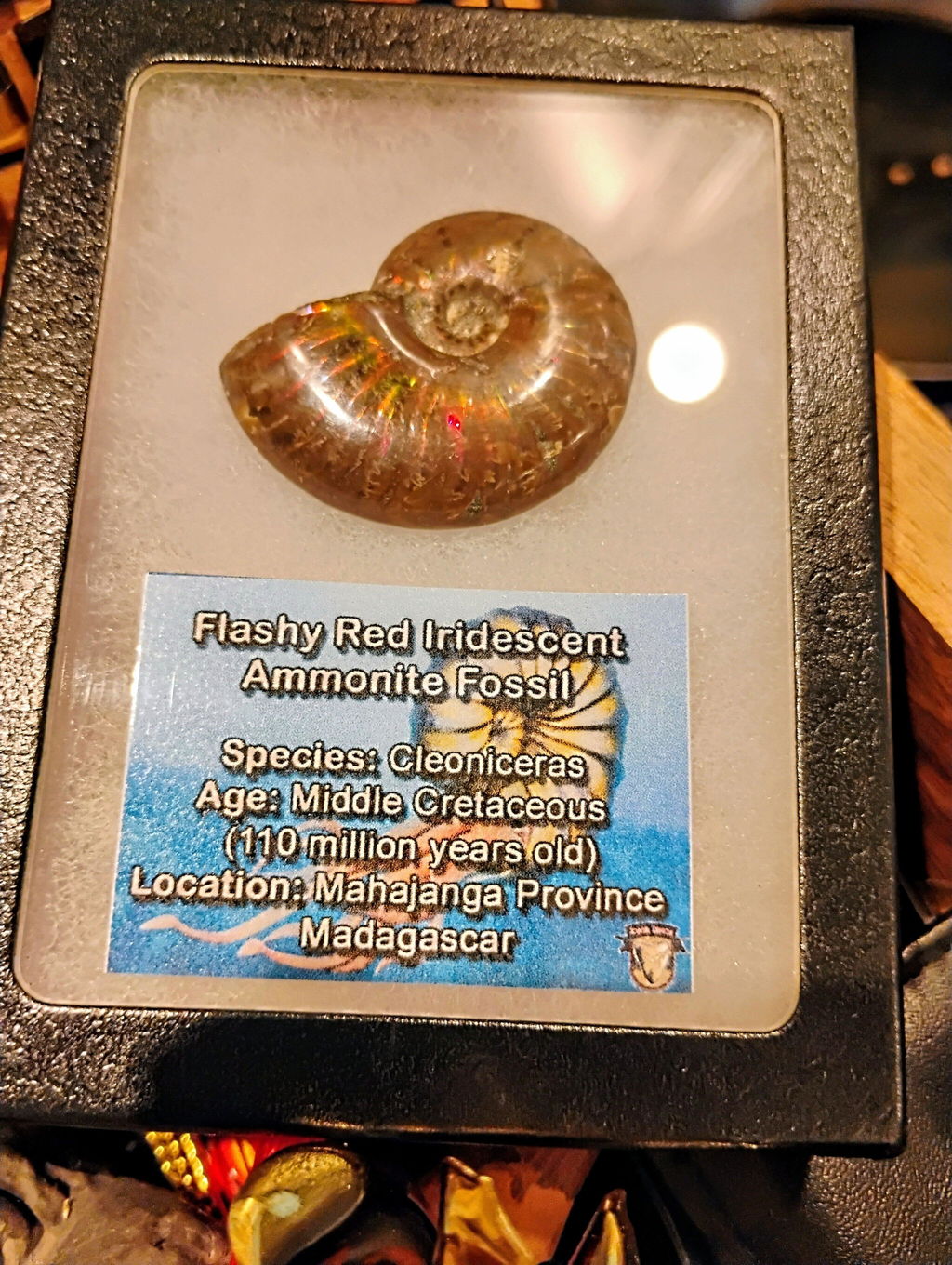
For megalodon teeth, this means examining serrations, enamel quality, bourlette preservation, root structure, and feeding damage. For trilobites, it means evaluating segmentation, eye detail, preparation quality, and potential restoration. For ammonites, it means assessing chamber detail, shell preservation, and any evidence of enhancement. For amber, visibility and clarity become especially important.
Descriptions should be equally detailed. Vague marketing terms like "museum quality" or "rare" mean very little without supporting information. Strong listings explain why a specimen stands out rather than simply making broad claims.
Pricing should also make sense. Fossils that appear dramatically underpriced compared to similar specimens deserve closer scrutiny. Sometimes a great deal is simply a great deal. More often, there is missing context regarding condition, restoration, or identification.
Questions Smart Buyers Ask
Many newer collectors worry that asking questions will make them seem inexperienced. In reality, reputable dealers expect questions and welcome informed buyers.
Before purchasing, consider asking:
- Has the fossil been repaired, restored, or stabilized?
- Is the identification certain or provisional?
- Where was the specimen found?
- Are the photos of the exact specimen being sold?
- What features make this specimen desirable within its category?
- Are there any flaws not immediately visible in the photos?
The answers often reveal as much about the seller as they do about the fossil itself.
Knowledgeable dealers tend to provide direct, transparent responses. Sellers who avoid condition discussions or rely entirely on hype deserve additional caution.
Categories Where Buyers Need Extra Caution
Certain fossil categories attract more confusion than others.
Megalodon teeth are heavily collected and vary tremendously in quality. Repairs, restoration, altered coloration, and exaggerated rarity claims are common enough that buyers benefit from understanding the basics of tooth grading. Our guide on how to spot repaired or restored megalodon teeth is worth reading before your next purchase.
Baltic amber inclusions require similar attention. Genuine amber with authentic insect inclusions can be extraordinary, but the market also contains copal, modern resin, and misleading presentations. Visibility, clarity, and authenticity all matter. Our Baltic amber buying guide covers what to look for before you buy.
Trilobites frequently involve varying levels of restoration and preparation. Our trilobite buying guide walks through what to look for in a quality specimen.
Dinosaur fossils can present identification challenges because some specimens are assigned based on formation and morphology rather than absolute certainty. Our dinosaur fossil buying guide explains how to evaluate authenticity and condition before buying.
None of these categories should scare buyers away. They simply reward informed purchasing decisions.
What Makes a Fossil Worth Buying
The best fossil purchase is not always the largest or most expensive specimen. It is the specimen that fits your goals.
If you are buying for display, visual impact may matter most. A beautifully preserved megalodon tooth, colorful ammonite, or striking amber inclusion can become an unforgettable conversation piece.
If you are building a serious collection, preservation quality, provenance, rarity, and scientific significance may become more important. Many experienced collectors would rather own one exceptional specimen than several average examples.
Investment-minded buyers should be especially selective. While fossils can retain strong collector interest over time, quality, rarity, condition, and presentation must align before a specimen reaches true investment-grade territory.
The safest approach is usually to purchase the best example you can comfortably afford rather than focusing exclusively on size or rarity claims.
Why Trust Matters So Much
Fossil buying ultimately comes down to confidence.
Most collectors cannot physically inspect dozens of specimens before making a decision. They rely on photographs, descriptions, and the expertise of the seller. That makes trust one of the most valuable parts of the buying process.
Specialist fossil dealers bring category knowledge that general marketplaces often lack. Accurate identification, honest restoration disclosure, careful specimen selection, and detailed descriptions help buyers make better decisions and avoid expensive mistakes.
At Fossil Driven, that philosophy guides every specimen we offer. Our goal is not simply to sell fossils. It is to help collectors purchase authentic fossils with confidence, knowing exactly what they are adding to their collection.
A great fossil should feel just as compelling years from now as it does on the day it arrives. Buy with curiosity, but also buy with standards. The right specimen will reward both.
Frequently asked questions
How do I know if a fossil for sale is real? Look for detailed, specific descriptions that go beyond vague claims like "museum quality." A trustworthy seller will identify the species, explain the condition, disclose any repair or restoration, and provide clear photographs from multiple angles. If a listing is vague or avoids specifics, that's a reason to ask more questions before buying.
Is it okay to buy a fossil that has been restored? Yes, as long as the restoration is clearly disclosed and reflected in the price. Minor repairs, crack stabilization, and careful preparation are common in fossil collecting and don't make a specimen inauthentic. The concern is heavy reconstruction that isn't disclosed, not honest restoration.
What's the difference between a repaired fossil and a fake? A repaired fossil is a genuine specimen that has been glued, stabilized, or partially restored. A fake is either a cast, a replica, or a non-fossil material presented as genuine. Repaired fossils can still be excellent collector pieces; fakes have no place in a serious collection.
Why do some fossils from the same species vary so much in price? Condition, locality, preservation quality, and restoration history all affect price independently of size or species. A smaller specimen in pristine condition can be worth more than a larger, heavily worn or restored example of the same type.
What should I look for in a trustworthy fossil seller? Specific descriptions, honest condition reports, clear photographs showing both the strengths and any flaws, disclosed restoration, and locality information where available. Sellers who welcome questions and answer them directly are almost always the better choice over those who rely on marketing language alone.
Browse authentic fossils with confidence
At Fossil Driven, every specimen is accurately described, honestly graded, and backed by our authenticity guarantee.
👉 Browse our full fossil collection or shop by category:
- Megalodon Teeth
- Fossil Shark Teeth
- Dinosaur Fossils
- Trilobites
- Ammonites
- Baltic Amber
- Fossil Shark Tooth Jewelry
Written by: Brandon Zulli, owner of Fossil Driven