
Authentic Fossil Collecting Guide for Buyers
Share
A fossil can look incredible in a photo and still disappoint when it arrives. The restoration work turns out heavier than the listing suggested. The species identification was a guess dressed up as fact. The size that looked impressive online suddenly looks ordinary in your hand. None of that has to happen, but it happens often enough that knowing how to evaluate a fossil before you buy is one of the most valuable skills any collector can develop.
Once you understand how experienced collectors judge authenticity, condition, restoration, and value, the entire market becomes far easier to navigate. Whether you are shopping for a megalodon tooth, an ammonite, a trilobite, Baltic amber, or a dinosaur fossil, the same core principles apply every time.
What Authenticity Actually Means
Authentic does not mean untouched. Fossils spend millions of years buried in sediment before anyone ever finds them, and that process leaves marks. Cracking, weathering, compression, and partial loss of original structure are all normal outcomes of fossilization, not red flags on their own. Cleaning, stabilization, and limited restoration are standard practices across the entire fossil industry; what separates a trustworthy specimen from a problematic one is whether that work is disclosed.
A genuine fossil with professionally disclosed repair is a completely different product from a cast replica, a heavily reconstructed specimen sold as natural, or a fossil where restoration has been deliberately hidden. Reputable dealers explain exactly what work has been done so you can decide whether a piece fits your collecting goals and your budget. After evaluating thousands of fossils, one pattern holds up consistently: trustworthy sellers describe restoration, condition, and provenance in specific terms rather than leaning on vague marketing language. Specificity is what builds trust, not dramatic claims.
Evaluate the Seller Before You Evaluate the Fossil
Most new collectors focus entirely on the specimen in front of them. Experienced buyers evaluate the seller first.
A specialist fossil dealer typically organizes inventory by species, locality, and quality, provides multiple photographs from different angles, and openly discusses any repair or stabilization when it is present. Sellers who genuinely understand fossils rarely need exaggerated marketing copy, because the specimen and an honest description do the selling on their own.
That does not mean every general shop or anonymous marketplace listing is selling something fake; plenty of genuine fossils move through those channels too. It just means buyers typically have far less information available to judge quality, restoration, and identification confidence in those settings. Buying from someone with real fossil identification experience reduces uncertainty significantly, especially on higher-value specimens. You can browse our full megalodon tooth collection to see what detailed, locality-specific listings should actually look like.
How to Judge Quality Without Overcomplicating It
You do not need to be a paleontologist to buy well. You just need a simple framework for evaluating quality, and that framework changes slightly depending on what you are buying.
For fossil shark teeth, look closely at overall shape, root preservation, enamel condition, serration quality, symmetry, and whether the bourlette is clearly visible. Chips, prior repairs, or a worn root do not make a tooth fake; they simply affect collector desirability and market value. Our guide to identifying an authentic megalodon tooth goes deeper into exactly what to check.
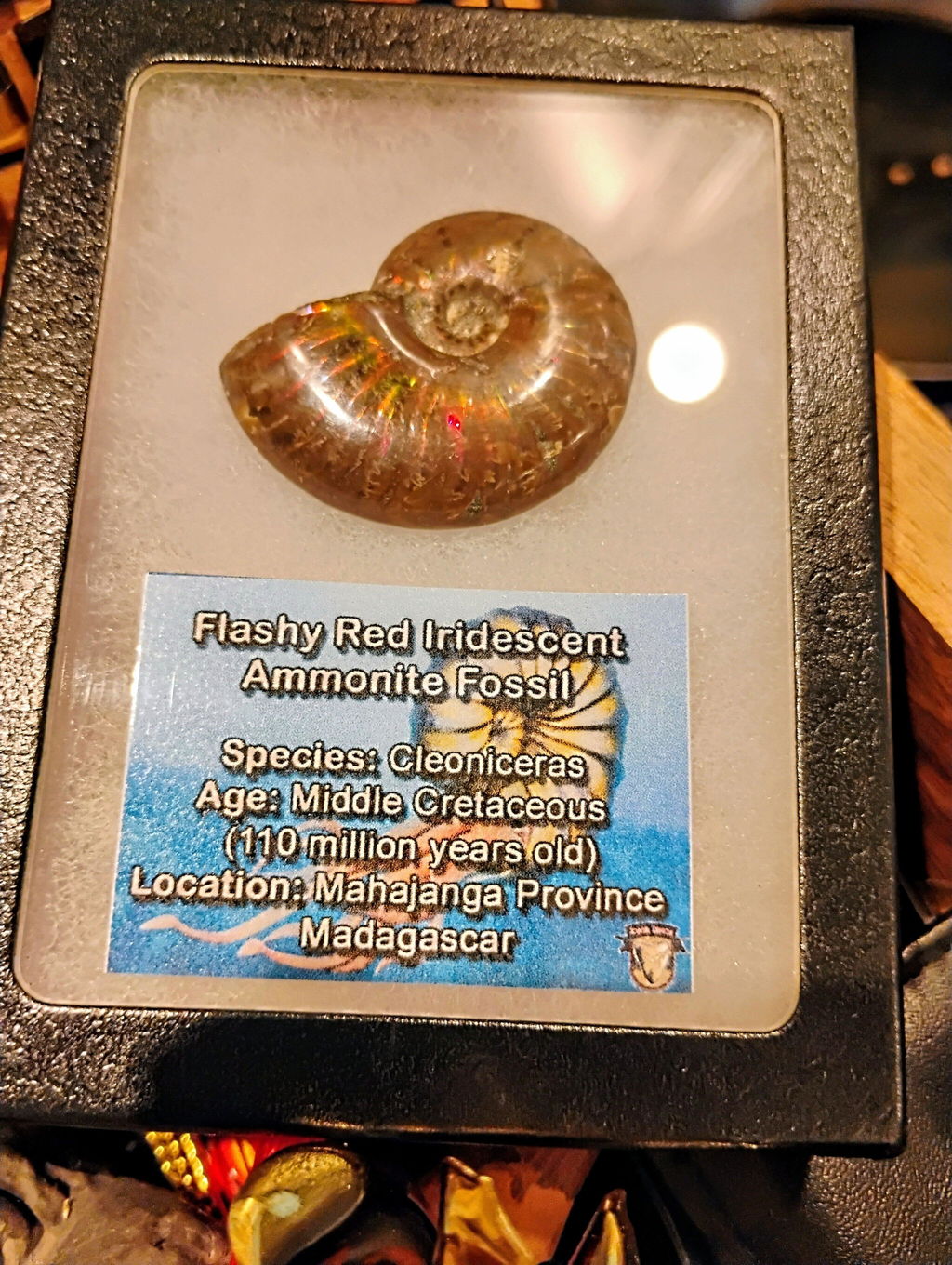
Other categories call for different priorities entirely. Ammonite buyers should focus on shell preservation, chamber detail, iridescence where present, and preparation quality. Trilobites should show natural segmentation and proportional preparation rather than features that look overly sculpted or artificially enhanced. Baltic amber buyers care most about clarity, how visible the inclusion is, and natural character rather than excessive polish. Dinosaur fossil buyers should weigh species identification, preservation, documented locality, and clear disclosure of any restoration above almost everything else.
The specific checklist changes by category, but the underlying principle never does: buy the best example you can comfortably afford rather than chasing the largest specimen available.
Restoration Is Not the Problem. Hidden Restoration Is.
Restoration is one of the most misunderstood topics in fossil collecting, and it deserves a clear explanation rather than a vague warning.
Because fossils spend millions of years buried under sediment, many specimens need some form of stabilization to prevent further damage after they are recovered. Small crack repairs, edge stabilization, or limited fill work can preserve a fossil without meaningfully changing its scientific or display value. None of that is a problem in itself. What matters is whether it was disclosed honestly and reflected fairly in the price.
A modestly repaired specimen can still be an outstanding display piece for years. A heavily reconstructed fossil priced as though it were completely natural is an entirely different situation, and one worth walking away from. When you are unsure, ask the seller directly: has this fossil been repaired? Is any fill present? Were the measurements taken on the original fossil or across restored material? Our article on how to identify repaired or restored megalodon teeth walks through exactly what to look for and what questions to ask.
Why Pricing Depends on More Than Size
One of the most common mistakes new collectors make is assuming bigger automatically means more valuable. Size matters, but it is only one variable in a much larger equation.
Collectors also weigh preservation, originality, rarity, preparation quality, restoration, color, symmetry, provenance, and overall display presence. Two fossils of the same species and nearly identical size can differ in value by thousands of dollars simply because one presents better on display or carries significantly less restoration. Display quality genuinely matters here, because fossils function as both scientific specimens and pieces of natural art; exceptional eye appeal often commands a premium even when the specimen is not the largest one available. If a price looks unusually low compared to similar listings, there is almost always a reason. Sometimes that reason is harmless. Sometimes it is worth a closer look before you buy. For megalodon teeth specifically, our megalodon tooth pricing guide breaks down exactly what drives value beyond size alone.
Starting Your First Collection
If this is your first fossil purchase, start with something you genuinely enjoy looking at. A collection should feel personal, not like a checklist borrowed from someone else's priorities.
Megalodon teeth remain popular for their size and visual impact. Ammonites offer striking natural geometry and, in some specimens, dramatic iridescence. Trilobites appeal to collectors drawn to ancient marine life and intricate natural segmentation. Baltic amber preserves insects in extraordinary detail, and dinosaur fossils offer a direct connection to some of the most iconic animals to ever exist. For your first purchase, focus on three things: authenticity, honest condition disclosure, and strong overall display quality. You do not need the rarest fossil available. You need one you trust and will still enjoy years from now. Our guide to the best fossils for beginners is a good next stop if you want more specific starting points.
What Experienced Collectors Look For
As collectors gain experience, they tend to become more selective rather than simply chasing larger specimens. Instead of optimizing for size alone, they start searching for examples that combine originality, preservation, visual appeal, and long-term desirability. A smaller fossil with excellent natural detail often becomes a more satisfying long-term addition to a collection than a larger specimen carrying heavy restoration or weak presentation.
Experienced collectors also value provenance whenever it is available. Commercial fossils do not always come with full excavation-level documentation, but knowing the general locality or geological formation a specimen came from adds real confidence and historical context. Most importantly, experienced buyers understand the difference between a good fossil and the right fossil for them specifically. Sometimes paying more is genuinely worth it. Other times, an honestly represented mid-grade specimen is the smarter purchase.
Caring for Your Collection
Buying the fossil is only the first step. Proper care protects both its appearance and its long-term value.
Avoid dropping specimens onto hard surfaces, protect them from excessive moisture, and limit prolonged direct sunlight exposure where it could affect coloration. A good display stand improves both safety and presentation, particularly for larger shark teeth and marine fossils. Thoughtful display also changes how a fossil is experienced day to day; a properly presented megalodon tooth, a well-mounted ammonite, or a clearly displayed trilobite often reveals detail that gets lost when a specimen is left in a drawer. The strongest collections tend to be built slowly over time through deliberate purchases rather than impulse buying.
Buy With Confidence, Not Guesswork
The fossil market rewards buyers who ask good questions. Is the fossil authentic? Has any restoration been performed? How was it identified? Does the asking price reflect its actual condition? Can the seller clearly explain what makes this specimen worth owning?
Those questions do not make collecting harder. They make it more enjoyable because they replace uncertainty with real confidence. Whether you are buying your very first fossil or hunting for a centerpiece specimen, knowledge is the best investment you can make before you ever open your wallet. Ready to start? Browse our full collection of authentic megalodon teeth, ammonites, trilobites, Baltic amber, and dinosaur fossils, every specimen genuine, clearly described, and backed by our authenticity guarantee.
Written by: Brandon Zulli, Owner of Fossil Driven