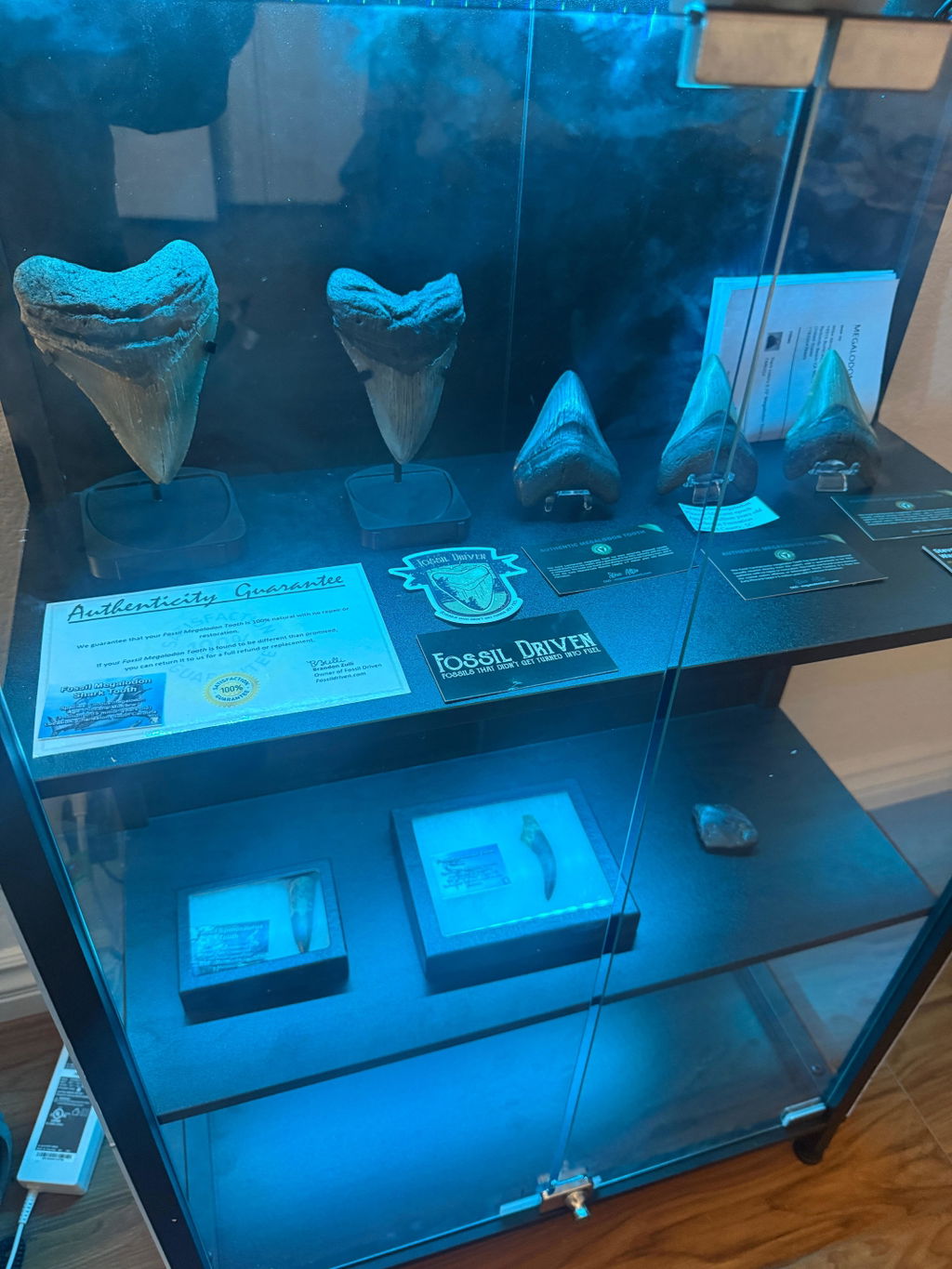

Choosing a Megalodon Tooth Display Stand

A great megalodon tooth can command attention all by itself, but the wrong display stand can make even an impressive specimen look awkward, unstable, or undersized. If you are shopping for a megalodon tooth display stand, the goal is not simply to hold the fossil upright. The stand should support the tooth safely, showcase its best features, and complement the quality of the specimen.
For collectors, presentation matters because display changes how a fossil is experienced. A wide tooth with strong bourlette color, visible serrations, and attractive enamel deserves a display that lets those features stand out. For gift buyers and first-time owners, the right stand also removes uncertainty. Once the tooth arrives, it is ready to display confidently rather than being left in a drawer or balanced precariously on a shelf.
What a Megalodon Tooth Display Stand Should Do
At a basic level, every stand needs to keep the tooth stable. In practice, that means more than simply holding it upright. Megalodon teeth are often heavy for their size, and weight distribution can vary dramatically depending on the shape of the root and blade.
A good stand supports the fossil without distracting from it. The stand should frame the tooth rather than compete with it. That usually means a clean design, a balanced footprint, and secure contact points that do not place unnecessary pressure on the root or enamel.
The best display stands disappear visually once the tooth is in place. Your eye should go directly to the fossil, not the stand.
Why Most Generic Stands Fail With Megalodon Teeth
One mistake many collectors make is assuming any fossil stand will work. Megalodon teeth have a unique shape and weight distribution that differs from most minerals, shells, or small fossils.
Many generic acrylic stands sold online were originally designed for lightweight specimens. They may technically hold a megalodon tooth, but they often lack the stability needed for larger examples. A stand that is too narrow can make a premium tooth look unstable or top-heavy.
The best megalodon tooth display stands are designed specifically around the shape, width, and weight of fossil shark teeth. Proper sizing becomes increasingly important as specimens move beyond the 4-inch range.
Size and Weight Come First
The first question is simple: how large is the tooth?
Smaller megalodon teeth are generally more forgiving. A 3-inch specimen may display well on a relatively simple stand. Larger collector-grade examples require a wider base and additional support to prevent tipping, especially if they are displayed on an open shelf or in a high-traffic area.
This is why one-size-fits-all solutions rarely work. A stand that looks appropriate beneath a 3.5-inch tooth may appear undersized beneath a broad 5-inch specimen. Matching the scale of the stand to the scale of the fossil creates a more balanced presentation.
If you already own the tooth, measure its height, width, and thickness before purchasing a display stand. The better the fit, the more secure and professional the display will feel.
Material and Finish Affect Presentation
Most collectors want the fossil to remain the focal point, so the best stand material is often the one you barely notice.
Clear acrylic remains popular because it creates a floating effect and works well with nearly every tooth color, from dark river finds to lighter coastal specimens. Acrylic is simple, clean, and versatile.
Metal stands can create a more premium appearance and often provide greater stability for larger teeth. However, overly decorative designs can draw attention away from the fossil itself.
The best display stands strike a balance between function and presentation. They support the specimen securely while allowing the tooth to remain the star of the display.
Displaying the Bourlette and Serrations
Experienced collectors often evaluate a megalodon tooth by looking at features such as serration preservation, bourlette definition, enamel condition, and root quality.
A display stand should showcase those details rather than hide them.
The ideal viewing angle allows the collector to appreciate the full silhouette of the tooth while still seeing important features at a glance. A stand that forces the tooth too upright may hide the bourlette. A stand that leans too far back can reduce the visual impact of the blade.
This becomes especially important for high-quality and investment-grade specimens where subtle details contribute significantly to value and desirability.
Magnetic Display Stands vs Traditional Acrylic Stands
Traditional acrylic stands remain the most common display solution because they are affordable, simple, and visually unobtrusive.
However, some collectors prefer magnetic display systems that provide additional stability while maintaining a clean appearance.
Magnetic stands can be especially useful for larger specimens because they help secure the tooth while still allowing it to be removed easily for photography, inspection, or handling. Many collectors appreciate the added confidence that comes from a display designed specifically around fossil shark teeth.
The best choice depends on the size of the tooth, where it will be displayed, and the collector's personal preferences.
Safety Matters More Than Most Buyers Realize
Authentic fossils are durable, but they are not indestructible. Dropping a megalodon tooth can damage the root, chip the bourlette, or create fresh edge wear.
A stable display stand helps prevent accidents before they happen.
If the display will be placed in a home with pets, children, or frequent foot traffic, stability should take priority over minimalist design. A wider base and secure support points are worth more than an ultra-sleek profile if the alternative is risking damage to the fossil.
A Better Display Increases Perceived Quality
Presentation changes how people perceive quality.
When a tooth is displayed properly, details become easier to appreciate. The serrations appear sharper. The root looks stronger. The overall shape becomes more dramatic. Even experienced collectors often notice features they previously overlooked once a specimen is displayed correctly.
A quality display stand does not create value, but it does help reveal the value already present in the fossil.
When a Basic Stand Is Enough
Not every tooth requires an elaborate display solution.
A smaller tooth, starter specimen, or casual display piece may look perfectly appropriate on a simple stand. If the fossil displays naturally and feels stable, there is no reason to overcomplicate the presentation.
However, larger teeth, wider specimens, and premium collector pieces often benefit from a stand designed specifically around their dimensions and weight. If you have invested in an exceptional fossil, the display should reflect that investment.
What to Look for Before You Buy
Before choosing a stand, verify that the dimensions are appropriate for your tooth. The base should feel proportional to the specimen's size and weight, and product photos should demonstrate how the stand actually supports a fossil.
It also helps to think about where the display will live. A stand that works beautifully in a glass display cabinet may not be ideal for an open bookshelf or desktop environment.
Frequently asked questions
What size display stand do I need for my megalodon tooth? Measure the tooth's height, width, and thickness before buying. As a general rule, the larger and heavier the tooth, the wider and more stable the base needs to be, especially for teeth over 4 inches.
Are acrylic or metal display stands better for megalodon teeth? Acrylic is the more popular choice because it's affordable, versatile, and visually unobtrusive. Metal stands often provide extra stability for larger or heavier specimens, but can be more visually prominent.
Can a display stand damage my fossil? A poorly fitted stand can put pressure on weak points like the root or edges, especially if it's too narrow or grips too tightly. A properly sized stand designed for fossil shark teeth should support the specimen without stressing it.
Do small megalodon teeth need a special stand? Not necessarily. Smaller teeth (under 3.5 inches) are generally more forgiving and can display well on simpler, more basic stands without the added stability features larger specimens require.
Are magnetic display stands worth it? For larger or more valuable specimens, magnetic stands can offer added security while still allowing easy removal for handling or photography. They're a good option for collectors who want extra peace of mind without sacrificing presentation.
Finishing your display
The best display stand is usually the one you barely notice once the tooth is in place. When the stand is doing its job correctly, your attention goes directly to the fossil itself: the size, the shape, the serrations, and the unmistakable presence of one of the largest sharks that ever lived. That is exactly how a megalodon display should feel.
👉 Browse our current Megalodon Tooth Display Stand collection to find the right fit for your specimen.
Written by: Brandon Zulli - CEO at Fossil Driven